
I help founders understand their options clearly before they commit to any structure, provider, or direction.
Quick Summary: Dubai Real Estate 2026
- The 2026 reality: Dubai property can still work, but the market has matured – results now come from strategy, entry-price discipline and area selection, not momentum.
- Rental yields: Gross yields often run 5% to 8% depending on asset type and location, though net returns are lower after service charges, management, maintenance and vacancy.
- Four investor paths: Ready property for stable yield, or off-plan for flexible payments and growth, which carries handover and execution risk. The others are property as a route to the 10-year Golden Visa, and commercial space for business use.
- Off-plan vs ready: Off-plan has lower entry cost and milestone payments, but higher risk and delayed rental income. Ready property costs more upfront and offers a tangible asset with immediate income.
- Golden Visa: Property can be one route to a 10-year renewable residency, but approval is not automatic and requires clean title, DLD documentation and a bank NOC if mortgaged.
- Safeguards: Work only with RERA-licensed agents, ensure off-plan payments go through proper escrow, and verify assets using official Dubai Land Department tools.
Quick answer: Dubai property can still work in 2026, but the market has matured – results now come from strategy, not momentum. Gross rental yields often run 5% to 8%, though net returns are lower once service charges, management, maintenance and vacancy are counted. Your path depends on your goal. Ready property gives stable yield, while off-plan offers flexible payments and growth with handover and execution risk. The alternatives are property as a route to the 10-year Golden Visa, or commercial space for business use. Whichever you choose, area selection, fee control, a clear exit plan, RERA-licensed agents and proper escrow for off-plan matter most.
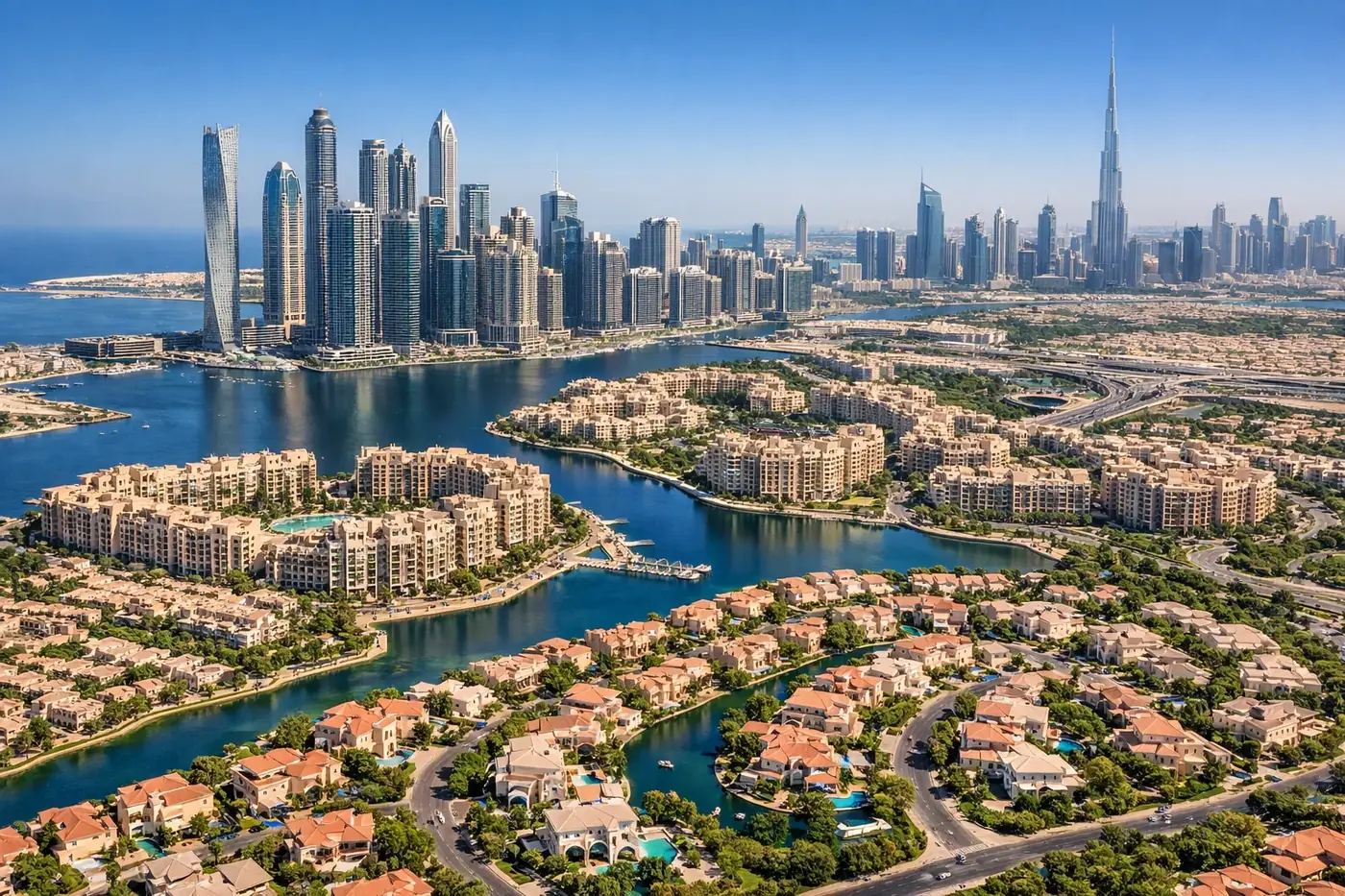
Dubai’s real estate market in 2026 offers strong opportunities — but it also demands strategy, not hype. After several years of rapid growth, the market is moving into a more mature phase where disciplined decision-making, community selection, and risk control matter more than ever.
This page is designed as your independent starting point. You might be an international investor looking for rental yield, a relocating professional buying for lifestyle, or a business owner exploring commercial space. This hub gives you practical frameworks to choose the right direction. Our approach is advisory-first: we focus on clarity, decision support, and structured planning — and, if needed, we introduce you to independently licensed partners for execution.
Free tool: budgeting a purchase? Our Dubai mortgage calculator shows your monthly payment and the cash needed upfront.
How to Use This Hub (Start Here)
For those who are unsure where to begin, use this quick roadmap:
- If your priority is rental yield + stability: start with the Dubai real estate investment guide.
- If you want flexible payments and growth positioning: review the Dubai off-plan properties guide.
- If residency is a key objective: understand the process in our Golden Visa complete guide.
- If you’re buying for business use or commercial yield: align property decisions with business setup planning.
Dubai Real Estate 2026 Snapshot: The Investor Reality Check

Before making decisions, anchor your expectations in real market conditions. These are the factors that matter most for 2026 investor outcomes:
Growth is maturing, not stopping: broad, fast market-wide appreciation is moderating. The market increasingly rewards selectivity and quality assets over speculative buying.
Transaction volumes remain strong: demand has continued into 2026 across both end-users and investors, supported by strong population inflow and international capital participation.
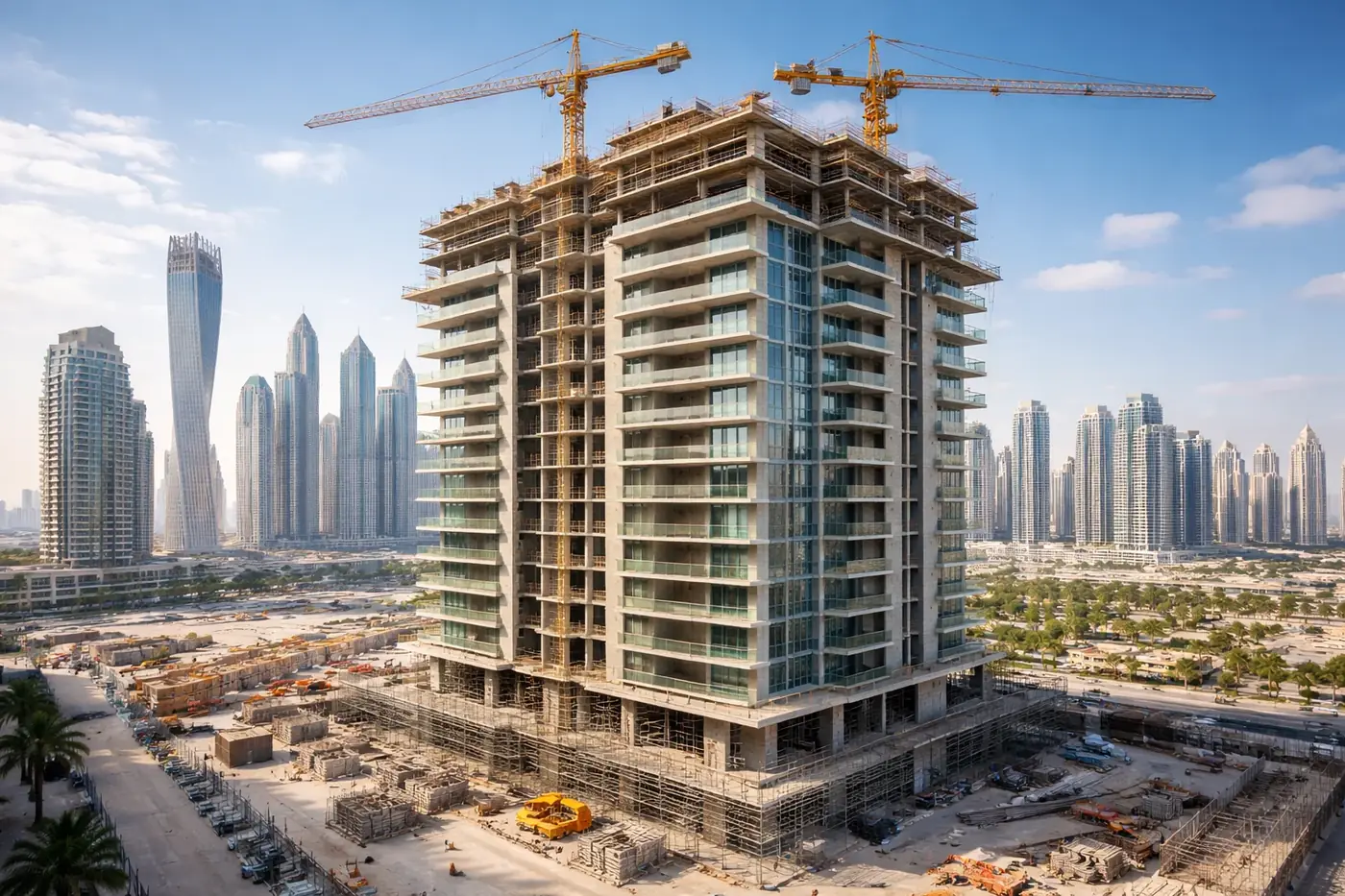
Off-plan is a dominant buying mode: new launches and structured payment plans continue to attract demand. Off-plan can be powerful, but it carries a different risk profile than ready property.
Villas and low-density communities remain structurally strong: space-driven end-user demand and supply scarcity have supported pricing resilience in premium family-focused segments.
Rental yields can be globally competitive: gross yields often range from 5% to 8% depending on asset type and location. Net yield can be meaningfully lower after service charges, management, maintenance, and vacancy periods.
Supply risk is localized: future handovers matter, but oversupply is rarely “Dubai-wide.” The risk is community-specific — which is why area selection is one of the highest impact decisions.
Strategy beats momentum: the 2026 investor wins are driven by entry price discipline, unit selection, fee control, and a clear exit plan — not by chasing last year’s performance.
Choose Your Path: The Investor Roadmap
Your best Dubai strategy depends on your objective. Use the following four pathways to choose what matters most for you.
A) Rental Yield & Stable Demand
Who it fits: investors seeking predictable income and lower volatility, usually with a 5–10 year time horizon.
Focus on: ready properties in established communities with proven tenant demand. Prioritise net yield, not just advertised gross yield.
Avoid: high service charge buildings, overspending on finishes with low rent uplift, and weak unit layouts that reduce tenant demand.
Best outcome: stable cash flow with resale liquidity.
B) Growth Potential & Flexible Payments (Off-Plan)
Who it fits: investors comfortable with completion timelines, aiming for appreciation and structured payments over 3–7 years.
Focus on: Tier-1 developer track record, escrow discipline, milestone-based payment plans, and projects with strong handover demand.
Avoid: unknown developers, front-loaded plans, and purchases without a realistic exit or hold strategy.
Best outcome: strategic entry with payment flexibility and potential pre-handover gains (subject to market conditions).
Exploring Off-Plan Property Investment in Dubai?
Off-plan real estate involves staged payments, construction timelines, and developer assessment. Investors evaluating this route should understand payment structures, delay risks, resale mechanics, and how off-plan compares to ready property.
Our structured framework explains the key decision pillars, investor suitability, and risk considerations before committing capital.
→ Dubai Off-Plan Property Investment Framework
C) Residency Pathway (Golden Visa Through Property)
Who it fits: investors and families prioritising long-term stability and residence planning (not short-term flipping).
Focus on: meeting eligibility requirements and keeping documentation clean (title deed, DLD documentation, bank NOC if mortgaged).
Avoid: assuming the visa is automatic, over-leveraging, and mixing a residency goal with speculative timelines.
Best outcome: long-term residency stability alongside a tangible asset strategy.
D) Business Use & Commercial Strategy
Who it fits: business owners or investors seeking commercial income and longer lease structures.
Focus on: zoning, tenant type, location logic, and licensing implications (mainland vs free zone relevance).
Avoid: treating commercial assets like residential buys, ignoring vacancy cycles, or buying in the wrong tenant ecosystem.
Best outcome: potentially higher yields with longer tenant relationships — but higher complexity.
Best Areas Framework: How to Evaluate Communities
Rather than relying on static “top 10 areas” lists, evaluate communities using decision logic. In Dubai, area selection often matters more than market timing.
This evaluation approach is part of a broader property investment strategy framework used by disciplined investors.
Tenant demand: identify the dominant tenant profile (young professionals, families, corporate tenants) and match unit type to demand.
Liquidity & resale depth: established communities generally provide easier exit options due to transaction history.
Completion maturity: mature infrastructure (roads, retail, landscaping) reduces downside risk.
Service charges: high charges can reduce net yield materially — especially for units with large shared amenities.
Commute & lifestyle drivers: metro proximity, business access, schools, healthcare, and lifestyle assets influence demand.
Developer concentration risk: communities dominated by one developer may be more sensitive to launch cycles and pricing actions.
Community buckets (for investor clarity):
Premium / luxury: Palm Jumeirah, Emirates Hills, District One (brand + exclusivity).
High-demand rental hubs: Dubai Marina, Downtown Dubai, Business Bay (liquidity + consistent tenant pipelines).
Value / growth zones: JVC, Dubai South, Arjan (entry affordability + longer-term positioning).
Family communities: Arabian Ranches, Dubai Hills Estate, Al Furjan (end-user demand + longer tenancy cycles).
Next step: once you shortlist 3–5 communities, evaluate fee structure and unit layouts before choosing “projects.” Community selection should come first.
Dubai Real Estate Guides (Auto Updated)
Have questions about this?
A 10-minute call with Mirza often saves weeks of research. No obligation — ask anything about your situation.
This section updates automatically as new Dubai Real Estate pages go live:
[hc_re_hub_list]Off-Plan vs. Ready Property: Your Decision Matrix
This is one of the most important strategic decisions in Dubai. Use the comparison below to align your choice with timeline, risk, and cash flow.
| Factor | Off-Plan Property | Ready Property |
|---|---|---|
| Entry Cost | Lower initial deposit; payments spread across construction stages. | Full payment (or mortgage down payment) required at purchase. |
| Payment Structure | Instalments often linked to milestones or schedules. | Lump sum or standard mortgage repayments. |
| Risk Level | Higher (handover delays, market shifts, project execution risk). | Lower (tangible asset + immediate rental potential). |
| Resale Timing | Possible pre-handover (subject to developer terms and market appetite). | Can be sold anytime to end-users or investors. |
| Rental Timeline | Income starts after handover (may take years). | Income can start immediately after purchase/registration. |
| Beginner Suitability | Better for educated investors comfortable with due diligence. | Often simpler as “what you see is what you buy.” |
Golden Visa Through Property: Investor Summary
The UAE Golden Visa can offer a 10-year renewable residency pathway for qualifying investors. Property investment may be one route depending on eligibility and documentation.
Who it benefits: investors and families seeking long-term stability without employer sponsorship.
What to prepare: qualifying investment level, clean title documentation, DLD requirements, and (if applicable) bank NOC for mortgaged properties.
Important warnings: approval is not automatic. It is a separate application process and outcomes depend on compliance and document verification. Rules and administrative procedures can change.
Commercial Property in Dubai: Investor Summary
Commercial real estate has a different return profile, typically supported by longer lease terms and business-linked demand cycles.
Who should consider it: business owners requiring operational space and investors targeting stable lease structures.
Leasing vs buying: leasing offers flexibility. buying can build long-term equity but requires stronger capital discipline.
Location strategy: align to tenant type and activity zones (finance districts, corporate corridors, logistics hubs). zoning and licensing compatibility matter.
Financial readiness: if you are planning commercial ownership or structured finance, review our banking and finance resources for practical context.
Common Investor Mistakes (Dubai-Specific)
These mistakes are common — and avoidable — with a structured process.
- Decision pressure: committing under urgency tactics rather than verified data.
- Wrong payment plan choice: selecting schedules that damage cash flow before income begins.
- Ignoring full fees: underestimating transfer/registration costs, commissions, service charges, and maintenance reserves.
- Mismatched unit strategy: choosing unit types that don’t fit local tenant or end-user demand.
- No exit plan: purchasing without defining hold length, resale route, and rental target.
- Weak due diligence: skipping developer track record checks and escrow discipline.
- Currency risk oversight: ignoring transfer timing and FX movement effects.
- Tenant quality risk: prioritising top rent offer without proper screening.
Investor Checklist: Before You Book a Viewing
- Budget range: total budget including fees + contingency.
- Timeline: immediate income vs long-term completion tolerance.
- Mortgage readiness: if financing, aim for early pre-approval.
- Risk tolerance: ready certainty vs off-plan execution risk.
- Holding period: 2 years vs 5 years vs 10+ years changes strategy.
- Primary objective: yield, growth, residency, or business use (choose one priority).
Planning to buy property in Dubai?
Before committing to any purchase, it helps to understand how the process actually works. That runs from offer submission and Form F signing to Dubai Land Department transfer fees, mortgage timelines and common buyer mistakes.
Our step-by-step guide explains the full procedure for both ready and off-plan purchases, including costs, documentation, and what happens at the Trustee Office on transfer day.
Buying Property in Dubai 2026: Process, Costs & Fees →
What to Do Next: Advisory-First Next Steps
If you want structured guidance instead of random listings, the next step is to convert your goal into a shortlist and decision plan.
Request a tailored shortlist: receive a curated shortlist aligned to your budget, timeline, and strategy.
Request an ROI plan: review a practical ROI model using realistic fee and vacancy assumptions.
Request a Golden Visa readiness check: confirm eligibility and documentation readiness before committing capital.
Request a personalized Quote
To begin, request a personalized quote and we will connect you with the appropriate specialist.
Investor Notes
- Work only with RERA-licensed agents and brokers, and verify credentials where possible.
- For off-plan purchases, ensure payments go through the correct escrow mechanisms (not informal payment routes).
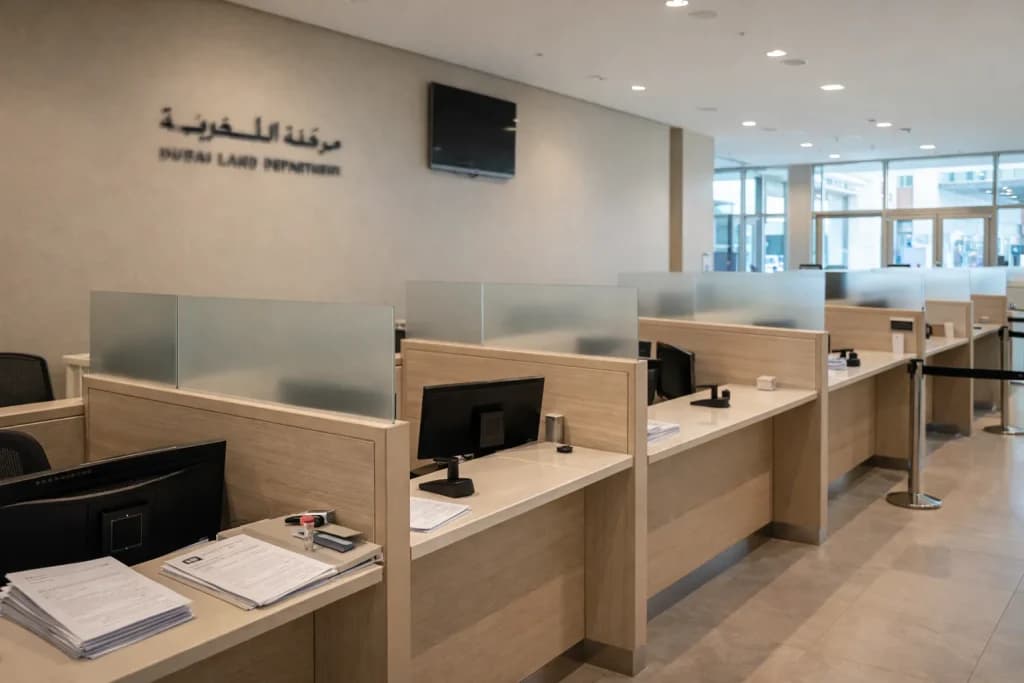
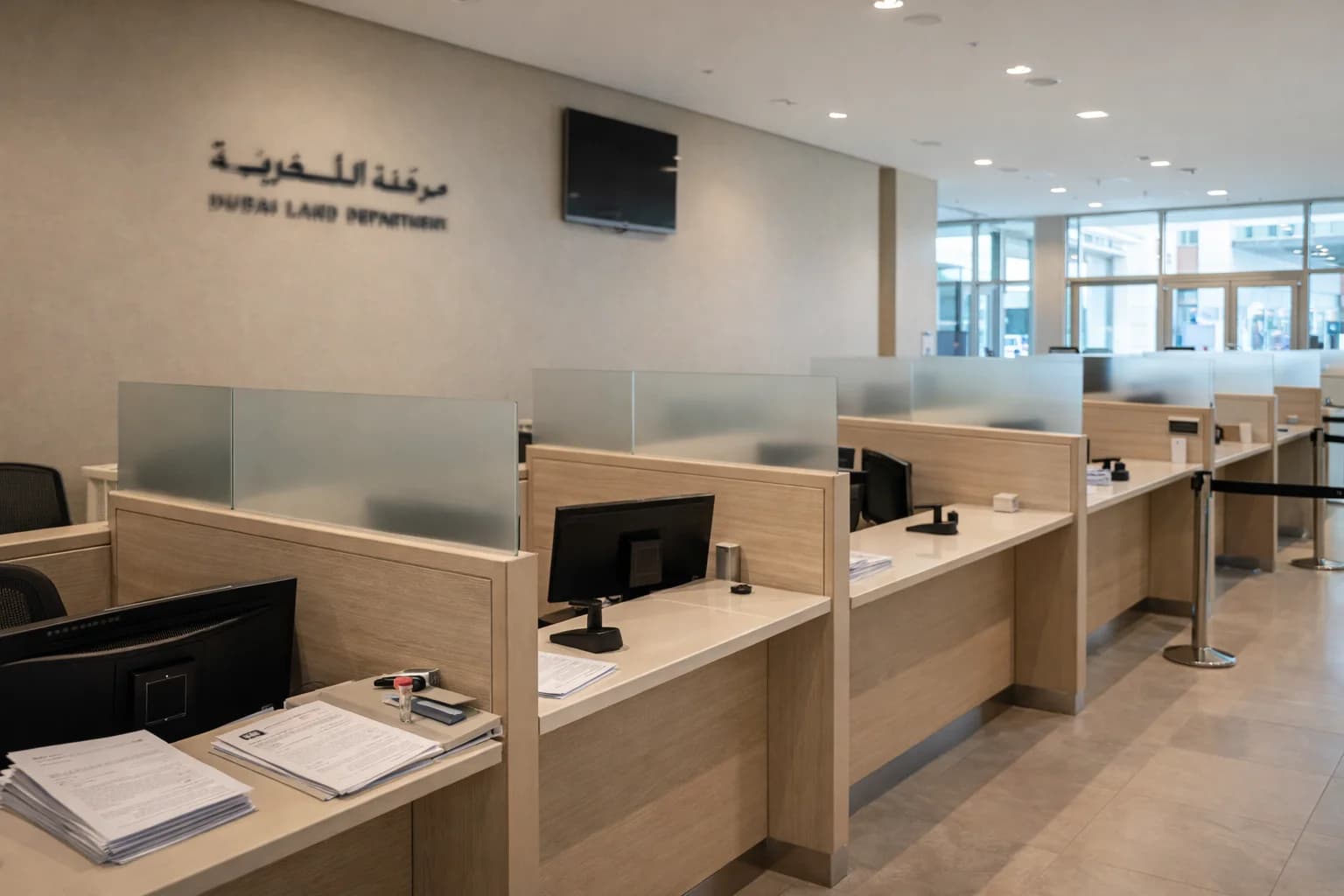
- Use official tools where available (such as Dubai Land Department services/apps) to verify assets and transaction history.
Business location planning is evaluated alongside jurisdictional licensing options within the Henry Club Advisory Ecosystem, ensuring operational alignment between office setup and company formation.
FAQ
Is Dubai real estate still a good investment in 2026?
Dubai real estate can still be attractive in 2026, especially for investors focused on clear strategy, net yield calculation, and community selection. The market is more mature than in earlier cycles, so results depend heavily on asset quality, entry price discipline, and risk control rather than broad market momentum.
What is better in Dubai: off-plan or ready property?
Off-plan may suit investors who want flexible payment plans and a longer holding horizon, but it carries execution and handover timing risk. Ready property is often simpler because the asset can be inspected physically and rented immediately. The right option depends on your timeline, risk tolerance, and income needs.
Which Dubai areas are best for rental yield?
Rental yield depends on many factors including tenant demand, building service charges, layout quality, and seasonality. Established rental corridors with strong liquidity often perform well, but the most reliable approach is selecting communities with stable demand and choosing units that match real tenant profiles.
How does Golden Visa through property work in Dubai?
The UAE Golden Visa through property is a residency pathway for qualifying investors who meet the required investment threshold and documentation standards. It is a separate application process and approval is not automatic. Investors should prepare title documentation, payment proof, and related approvals (such as bank NOC if the property is mortgaged).
What are the main costs to budget when buying property in Dubai?
In addition to the property price, buyers should budget for Dubai Land Department charges, registration-related costs, agent commission (if applicable), annual service charges, and ongoing maintenance. For investment properties, realistic vacancy and management costs should also be included when calculating net returns.
Can international buyers purchase property in Dubai?
Yes, international buyers can purchase property in Dubai in designated freehold areas. The process varies depending on whether the purchase is off-plan or ready, and buyers should ensure due diligence on developer reputation, escrow protection (for off-plan), and title verification.
Advisory Disclaimer
The sections below cover options for informational purposes only and does not constitute financial, legal, or investment advice. Dubai real estate involves risk, including loss of capital. Figures, regulations, processes, and market conditions can change. You should conduct independent due diligence and consult qualified professionals before making investment decisions. HenryClub operates an advisory-first model; any execution support is handled through introductions to independently licensed partners. HenryClub is an advisory firm and is not a licensed real estate brokerage. We do not list or sell property. Where a transaction proceeds, it is executed through a RERA-registered broker, disclosed to you beforehand.
Where you start depends on what you already know. If the question is whether you can buy at all, begin with the buying process. If you would rather not work it out alone, ask an advisor.
Sources and official references
For ownership records, regulation and residency rules behind the guidance on this page, check these official UAE sources directly.
- Dubai Land Department (DLD) - official transaction records, RERA-licensed agents, escrow rules for off-plan, transfer fees, service charges and title verification referenced on this page
- UAE Government Portal - overview of freehold property ownership for international buyers and the Golden Visa residency routes discussed here
- Federal Authority for Identity & Citizenship (ICP) - eligibility and documentation standards for the 10-year Golden Visa through property investment
- GDRFA Dubai - Dubai residency visa procedures relevant to investors planning long-term stay
Tell us your budget. We'll tell you what to buy.
Send us what you want to spend and what you want the property to do — rental income, a Golden Visa, somewhere to live. You get back a shortlist of the areas, buildings and unit types that fit, the approved service charge on each, and the ones we would avoid. Within one business day, free.
Get my property shortlistWe hold no listings and take no commission on a sale. That is why we can tell you when a deal does not stack up. When you are ready to transact, we introduce you to a RERA-licensed partner.
About the Author
Dubai-based independent advisor on UAE visa, immigration, and offshore structuring. Founder of Henry Club UAE with 90+ published guides. Advisory-first — clarity before commitment.