
I help founders understand their options clearly before they commit to any structure, provider, or direction.
Quick Summary: UAE Business Setup
- The core choice: A Mainland entity for direct domestic-market and government-contract access, or a Free Zone entity for international trade with flexible, lower-commitment offices – both allowing 100% foreign ownership in most cases.
- Corporate tax: Mainland profits are taxed at 9% above AED 375,000, while qualifying Free Zone income may attract 0% on Qualifying Income if substance conditions are met.
- Setup speed: Some free zones issue a license within days once documents are complete, whereas mainland setups often take several weeks where external approvals apply.
- Mainland cost: DED license typically AED 15,000 to over AED 30,000, mandatory office rent from AED 20,000 to AED 100,000+, and around AED 3,000–5,000 per visa.
- Free zone cost: All-inclusive first-year packages commonly AED 12,000–30,000, flexi-desk AED 5,000–15,000, and visa processing AED 3,500–7,000 per person.
- Ongoing: Licenses renew annually, with renewal fees commonly 70–100% of the initial license cost plus office rent, visa renewals and compliance services.
Quick answer: Setting up a UAE company comes down to one early choice: a Mainland entity for direct access to the domestic market and government contracts, or a Free Zone entity for international trade with flexible, lower-commitment offices – both now permitting 100% foreign ownership in most cases. Mainland profits are taxed at 9% above AED 375,000, while qualifying Free Zone income may attract 0% corporate tax if substance conditions are met. Free Zone licenses can be issued within days, whereas mainland setups often take several weeks where external approvals apply.
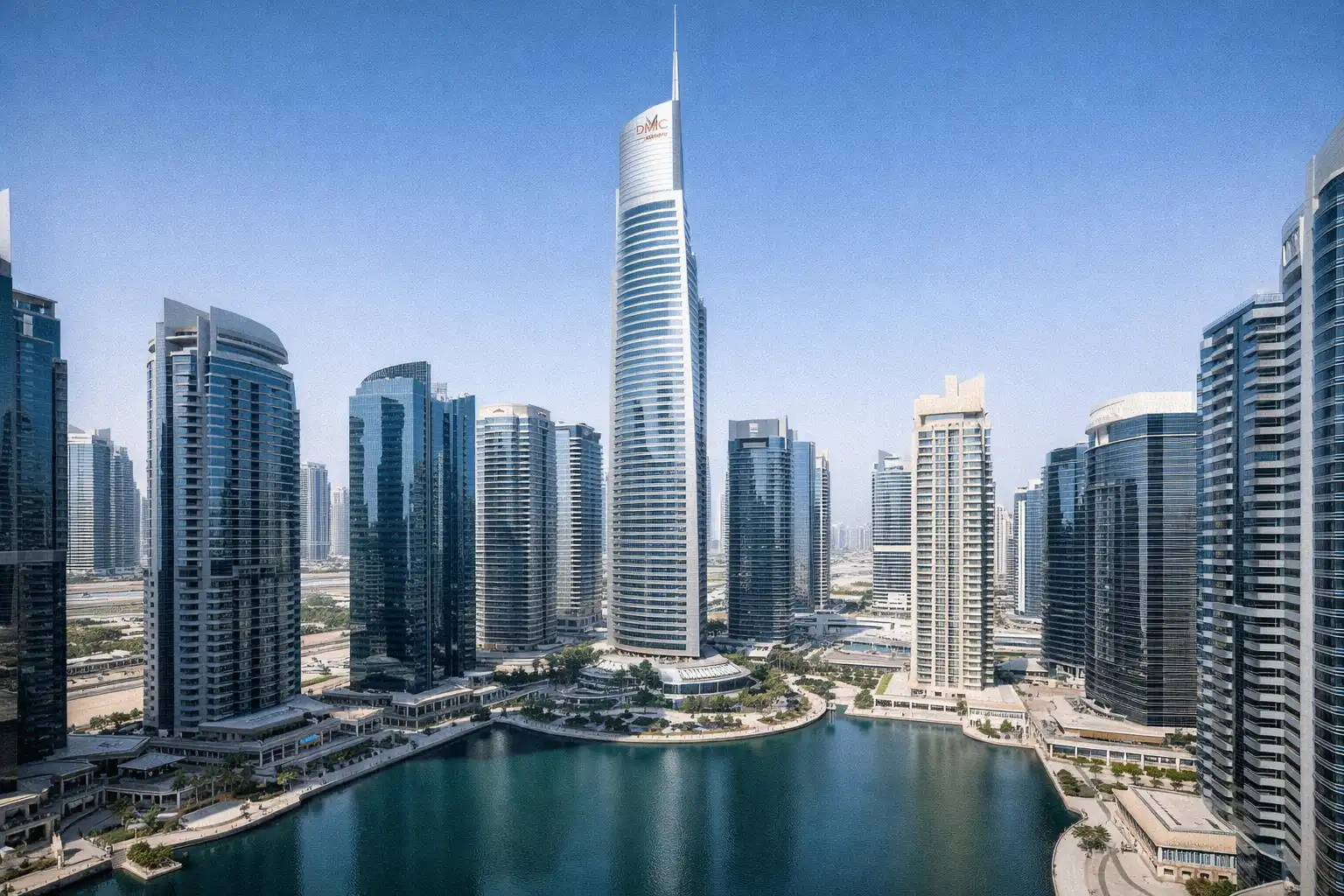
Establishing a company in the UAE represents a strategic decision to access a stable, growth-oriented economy positioned as a global business hub. The sections below cover options for entrepreneurs, investors, and business leaders actively planning their market entry and evaluating the two primary commercial structures available: Mainland companies and Free Zone entities. For a complete walkthrough, see our full guide to company setup in Dubai – costs, process and timelines.
Your jurisdiction choice is the most critical early decision, as it fundamentally determines your market access, regulatory obligations, cost structure, and operational flexibility. Recent reforms permitting full foreign ownership in most sectors have made UAE business formation more accessible, yet the distinction between Mainland and Free Zone pathways remains significant. This comparison provides the detailed information needed to align your structural choice with your specific business objectives.
Understanding Your Core Options: Mainland vs. Free Zone
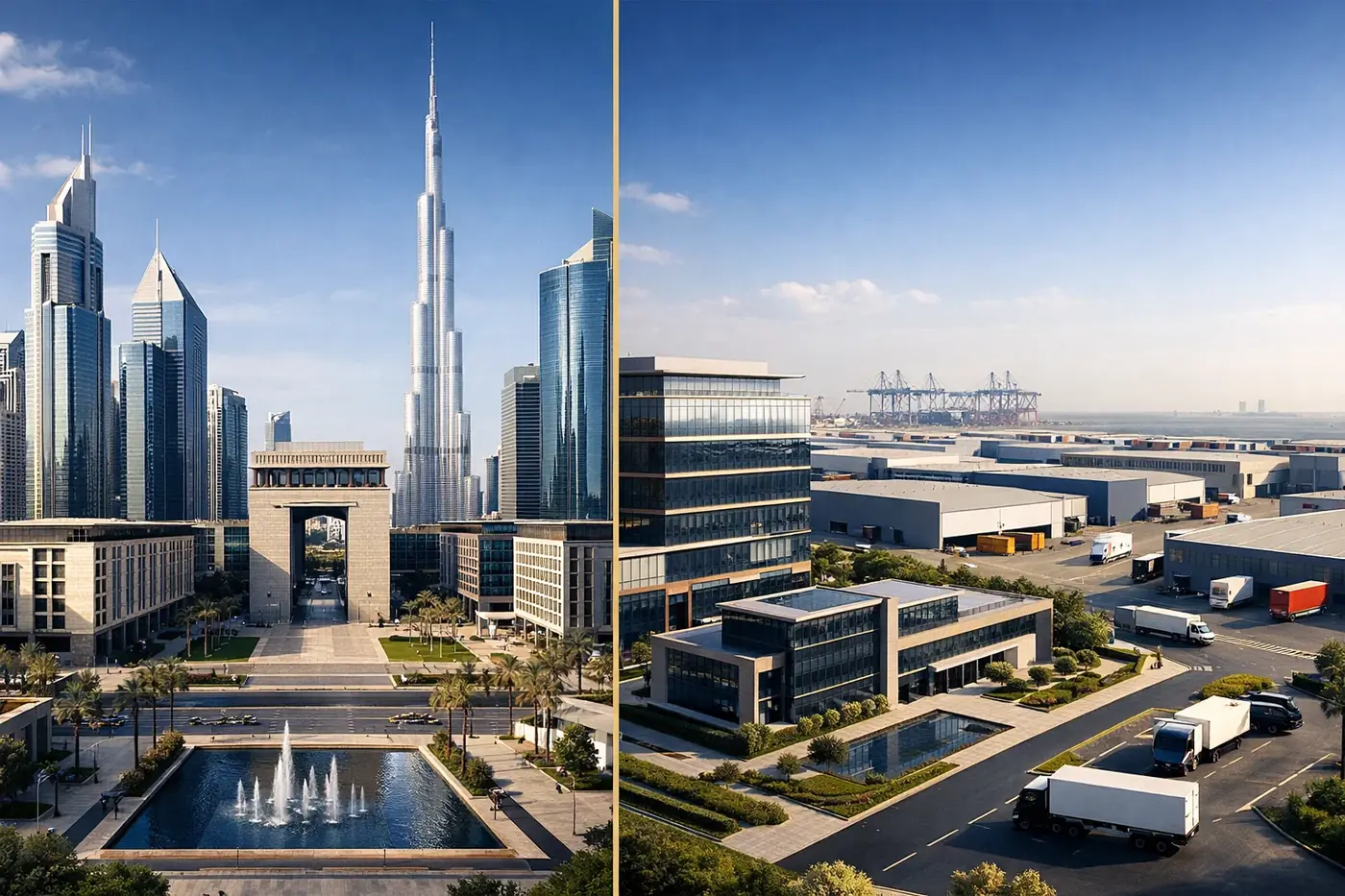
The UAE offers two distinct commercial frameworks, each designed to serve different business models and market strategies.
Mainland Company
A Mainland company is registered with the Department of Economic Development of a specific emirate, such as Dubai's DED or Abu Dhabi's Department of Economic Development (ADDED). These entities operate under federal UAE commercial law and are structured for businesses requiring direct access to the domestic market.
Free Zone Company
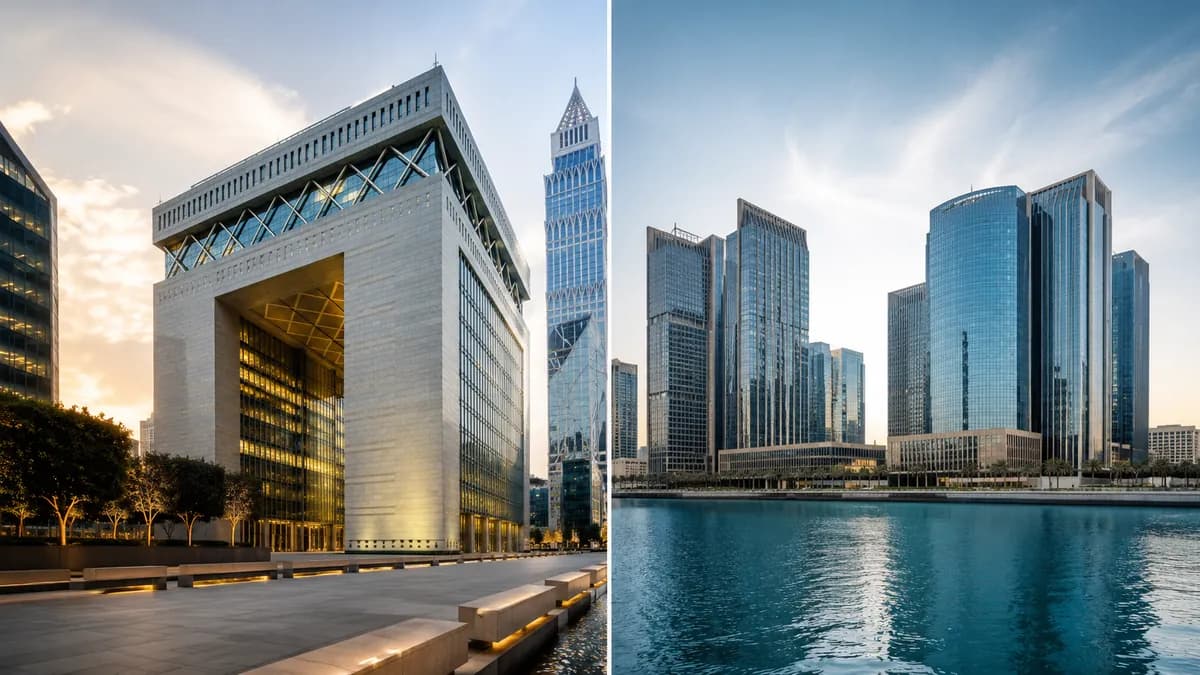
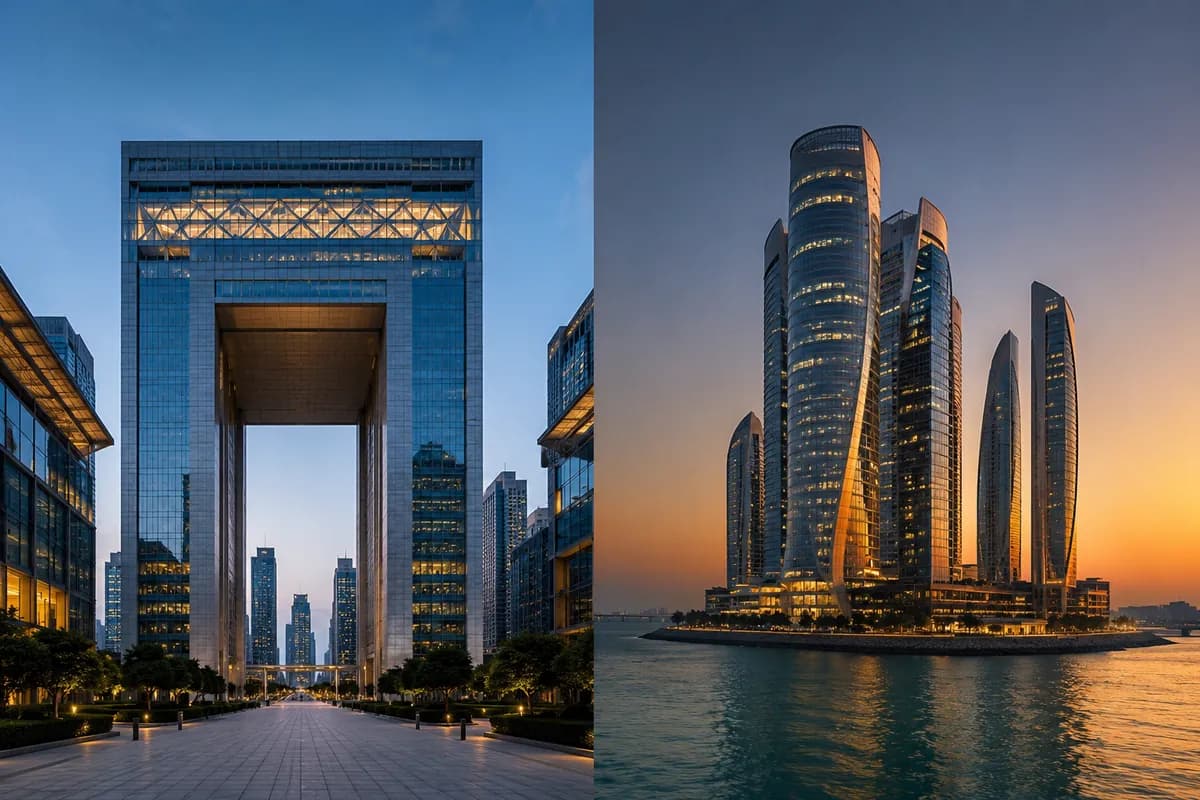
A Free Zone company is established within one of the UAE's specialized economic zones, such as DMCC, DIFC, or IFZA. Each Free Zone operates as an autonomous authority with distinct regulations tailored to attract foreign investment in specific sectors including finance, media, logistics, and technology.
Key Comparison: Mainland vs. Free Zone
The following table outlines the fundamental structural differences that should guide your initial assessment:

| Feature | UAE Mainland Company | UAE Free Zone Company |
|---|---|---|
| Ownership | 100% foreign ownership permitted for most commercial and industrial activities. Some professional licenses may require a Local Service Agent (no ownership stake). | 100% foreign ownership guaranteed for all entity types. |
| Market Access | Full, unrestricted access to trade throughout the UAE market, including direct sales to consumers and government entities. | Operations primarily within the Free Zone and for international markets. Direct mainland sales typically require a local distributor or separate mainland entity. |
| Corporate Tax | Subject to UAE corporate tax at 9% on taxable profits exceeding AED 375,000. | Qualifying Free Zone Persons may benefit from 0% tax on Qualifying Income under specific conditions. Mainland-sourced income generally taxed at 9%. |
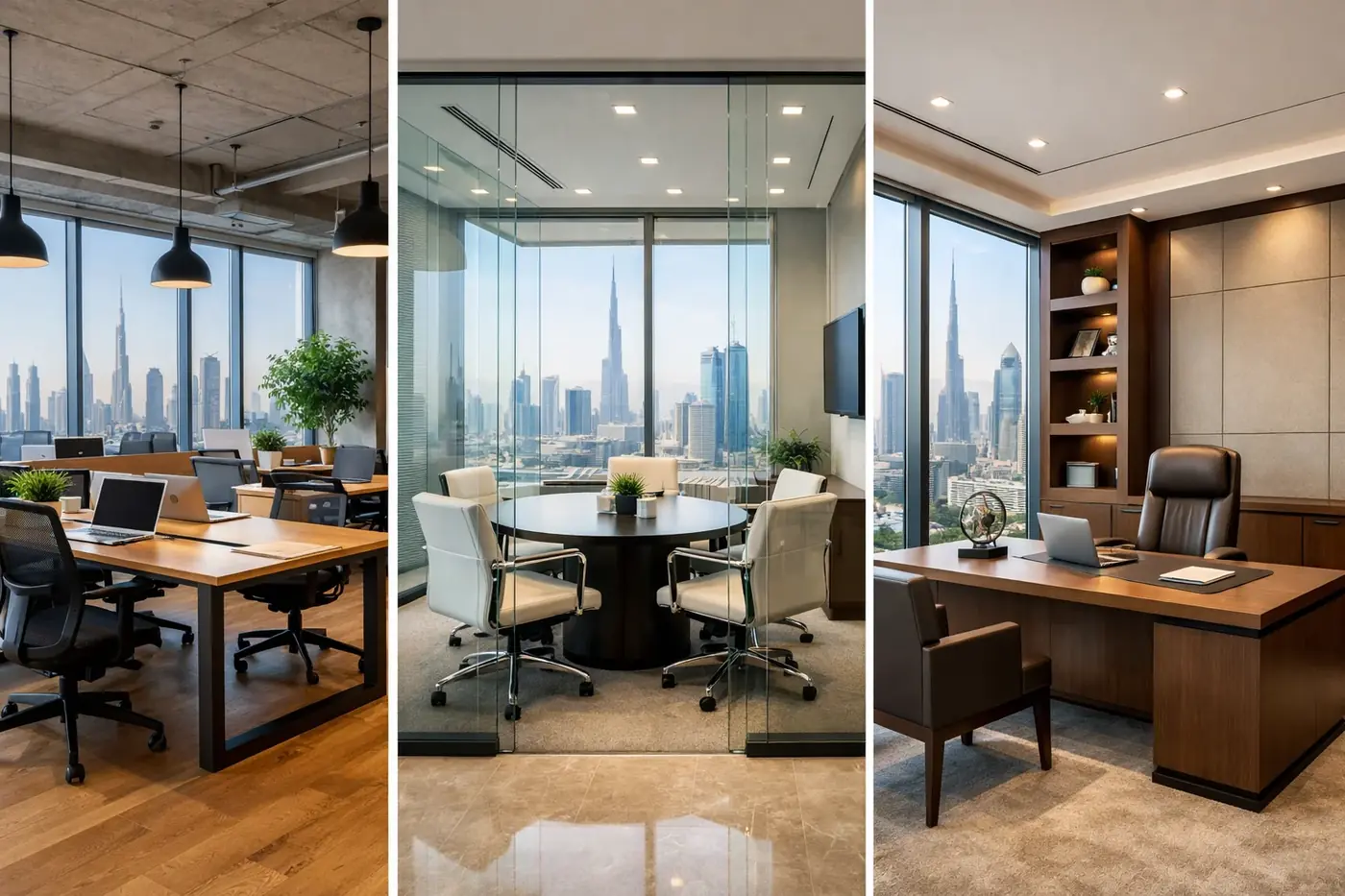
| Office Requirement | Physical office lease with Ejari registration is mandatory. | Flexible options ranging from virtual offices and flexi-desks to warehouses and private offices. |
| Setup Process | May involve approvals from multiple municipal and federal authorities. Timeline varies, often several weeks. | Generally more streamlined. Some zones offer license issuance within days once documentation is complete. |
| Regulatory Authority | Department of Economic Development of the emirate, plus federal bodies including Ministry of Human Resources. | The specific Free Zone Authority governing that zone. |
| Visa Allocation | Visa quotas typically linked to office space size, offering scalability for larger teams. | Visa eligibility usually tied to office package (e.g., flexi-desk typically includes 1-3 visas). |
To evaluate specific zones in detail across cost, visa allocation, and industry specialization, review our comprehensive Free Zone comparison guide.
Visa quotas and approvals are often linked to your registered office. This overview of Dubai office leasing and compliance requirements explains how workspace size and tenancy registration influence staffing capacity.
Understanding your office space needs is crucial for trade license compliance, visa quotas, and operational readiness. See our Office Space Requirements in the UAE 2026 guide for practical details.
Detailed Cost Breakdown for 2026
Understanding the complete financial commitment requires examining both one-time setup costs and recurring annual expenses.

Mainland Company Costs
First-year establishment costs vary significantly based on business activity classification and office location.
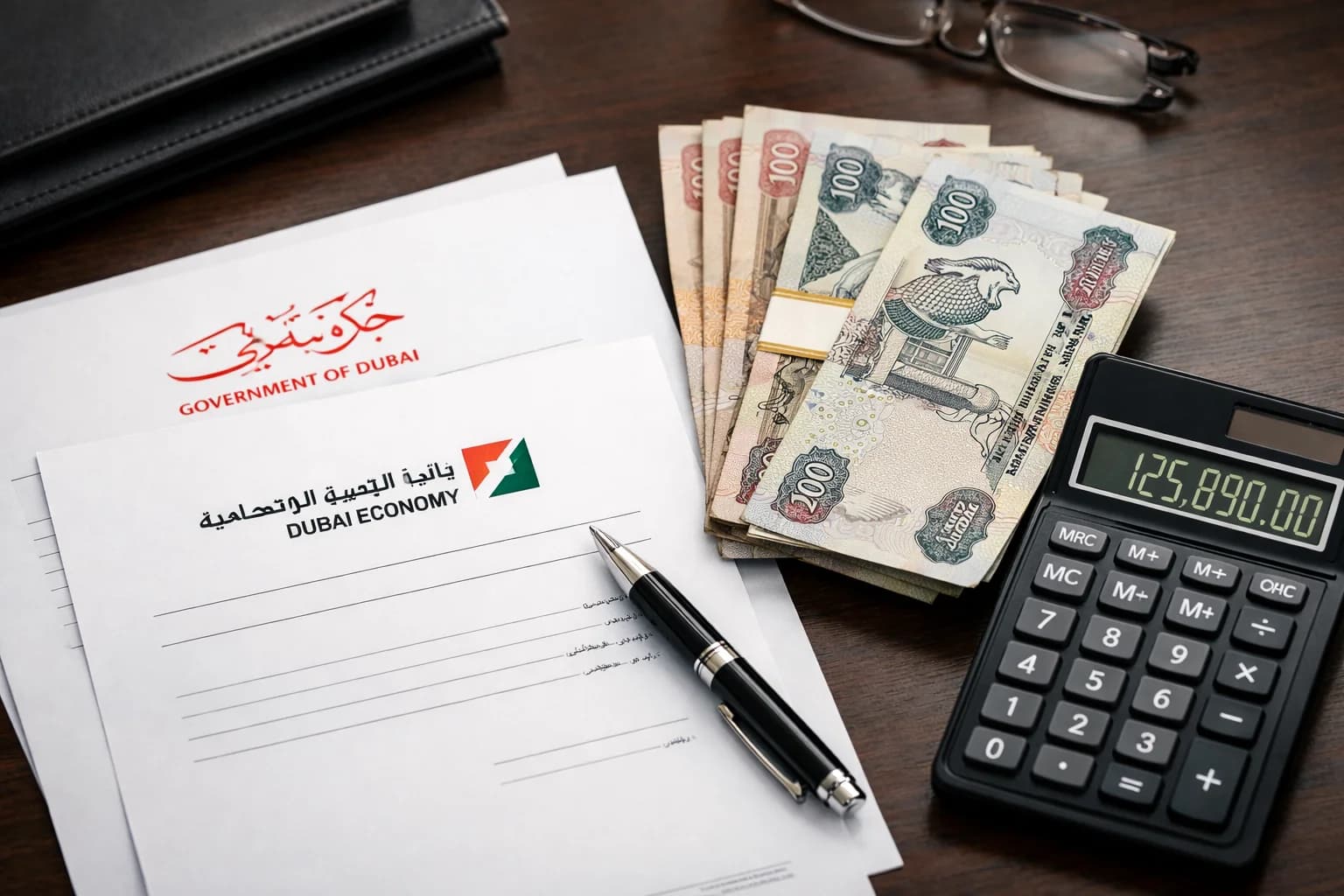
Core government fees: Include trade name reservation (approximately AED 500-1,000), initial approvals, and the main DED license issuance fee. License costs typically range from AED 15,000 to over AED 30,000 depending on whether the activity is classified as commercial, professional, or industrial.
Mandatory office space: This represents a significant variable cost. Annual rent for physical office space can range from AED 20,000 for basic premises to AED 100,000 or more for prime business district locations.
Additional approvals: Regulated activities such as food services, healthcare, or education may require sector-specific approvals from relevant authorities, potentially adding AED 5,000 to AED 10,000 or more to initial costs.
Visa processing: Budget approximately AED 3,000 to AED 5,000 per person for government fees, mandatory medical testing, and Emirates ID issuance. Explore our comprehensive mainland guide.
For those who are in the process of forming a mainland company, it is important to understand how your company’s legal foundation is structured. One of the most critical documents at this stage is the Memorandum of Association (MOA), which defines ownership, management authority, profit sharing, and exit mechanisms. To avoid common drafting mistakes, it helps to understand the clauses before notarization. You can read a detailed explanation in our guide on what an MOA means in the UAE and how it is drafted.
Free Zone Company Costs
Free Zone costs are often structured as packages but vary considerably between different zones.
License and package fees: All-inclusive first-year packages commonly range from AED 12,000 to AED 30,000. Specialized financial zones like DIFC typically have higher entry costs, often starting around AED 20,000 or above.
Office solutions: A key cost differentiator. Flexi-desk arrangements may cost AED 5,000 to AED 15,000 annually, while private office space can range from AED 25,000 to over AED 100,000 depending on size and zone.
Visa processing: Similar to mainland, with investor and employee visa processing costs ranging from AED 3,500 to AED 7,000 per person.
Relocating to Dubai? Read our Dubai off-plan property guide (2026) to understand payment plans, timelines, and risks before committing. Dubai Off-Plan Properties Guide
Ongoing Annual Costs
Business licenses in the UAE require annual renewal. Essential recurring costs include license renewal fees (commonly 70-100% of initial license cost), office rent renewal, visa renewals every 2-3 years, and mandatory compliance services including accounting and audit requirements.
For detailed cost modelling based on your specific requirements, use our business setup cost calculator to estimate both initial and recurring expenses.
The Step-by-Step Setup Process
Have questions about this?
A 10-minute call with Mirza often saves weeks of research. No obligation — ask anything about your situation.
While individual authorities have specific requirements, the general establishment process follows a consistent framework.

Review our comprehensive Dubai real estate investment guide for 2026 to understand ROI strategy, key areas, and the Golden Visa pathway. Dubai Real-Estate Guide
Planning and Pre-Approval
Define business activity and model: This foundational step determines your license classification, jurisdiction suitability, and any required external approvals.
Select jurisdiction and zone: Choose between Mainland or a specific Free Zone based on your target market analysis and the structural comparison outlined above.
Reserve trade name: Submit your proposed company name for approval to the DED or relevant Free Zone authority to ensure compliance with naming regulations and availability.
Documentation and Submission
Secure initial approval: Submit application forms and shareholder documentation, including passport copies and completed declaration forms.
Finalize legal documents: For mainland LLCs, this involves drafting and notarizing a Memorandum of Association. Free Zones have their own incorporation documentation requirements.
Secure office address: Lease and register physical office space for mainland companies, or select your Free Zone office package based on your operational needs and budget.
Obtain external approvals: If your activity falls under regulated sectors, obtain necessary clearances from bodies such as Ministry of Health, Dubai Municipality, or relevant sector authorities.
License Issuance and Post-Setup
Receive trade license: Upon final submission approval and fee payment, the licensing authority issues your official trade license.
Complete corporate registrations: Register with the Federal Tax Authority for corporate tax purposes and obtain membership with the local Chamber of Commerce.
Open corporate bank account: Initiate the banking relationship process, which requires your license, shareholder documentation, and typically a detailed business plan. This process can take 2-4 weeks and involves rigorous due diligence.
Apply for residency visas: Begin the visa application process for investors and employees, including medical fitness testing, Emirates ID registration, and biometric data collection.
Who Should Choose Mainland vs. Free Zone?
Your jurisdiction decision should align with your primary customer base and operational requirements.
Choose a Mainland Company if:
- Your primary business objective is selling products or services directly to UAE-based customers and businesses.
- You plan to operate retail stores, restaurants, showrooms, or clinics accessible to the general public.
- You intend to bid for and execute contracts with UAE government entities and departments.
- Your business requires a substantial team and you prefer visa allocation scalability linked to office space size.
Choose a Free Zone Company if:
- Your business focuses on international trade, import-export operations, or servicing clients outside the UAE.
- You operate as a consultant, freelancer, or digital service provider with an international client base requiring no physical storefront in the local market.
- Your commercial activity aligns with a specialized zone's focus (e.g., financial services in DIFC, media production in Dubai Media City, commodities trading in DMCC).
- You are a startup or SME seeking cost-effective establishment with flexible, low-commitment office solutions.
- Your business structure and revenue streams may qualify for the 0% corporate tax regime and you can meet the substance requirements.
Common Strategic Mistakes and How to Avoid Them
Mistake: Selecting jurisdiction based solely on cost. Choosing an inexpensive Free Zone license when your target customers are UAE mainland-based creates immediate operational barriers and potential compliance issues.
Avoidance strategy: Base your jurisdiction decision primarily on market access requirements. Allow your customer location and business model to dictate the appropriate structure.
Mistake: Misunderstanding Free Zone tax benefits. Assuming all Free Zone income automatically qualifies for 0% corporate tax is incorrect. The preferential rate applies only to "Qualifying Income" under strict conditions, and mainland-sourced revenue is generally taxed at the standard 9% rate.
Avoidance strategy: Consult with qualified tax advisors early in your planning to understand whether your specific business model and revenue streams can legitimately qualify for preferential tax treatment.
Mistake: Underestimating compliance and renewal costs. Focusing exclusively on first-year setup fees without accounting for annual renewal obligations leads to cash flow challenges when licenses, visas, and office leases require renewal.
Avoidance strategy: Model your total cost of ownership over a minimum 3-year period, incorporating all recurring compliance, renewal, and professional service fees.
Mistake: Assuming automatic corporate bank account approval. A business license does not guarantee corporate banking relationships. Banks conduct extensive due diligence, particularly for trading companies and holding structures.
Avoidance strategy: Prepare comprehensive business documentation, maintain transparent corporate structure, and anticipate a banking approval process that typically takes 2-4 weeks. Professional guidance can significantly improve approval likelihood.
Who Might Need a Different Approach
Some businesses are weighing the UAE against another jurisdiction entirely rather than choosing between mainland and free zone. If Asia-Pacific customers or investors are central to your plan, our Dubai vs Singapore comparison sets the two side by side on personal and corporate tax, entry and renewal costs, residence rights and banking.
The Mainland versus Free Zone framework may not be optimal for every situation. Consider alternative structures if:
- Your primary objective is asset holding (property, intellectual property, vessels) or investment portfolio management without conducting operational business within the UAE. An offshore company structure may be more appropriate.
- You are a solo professional testing market viability. Some Free Zones offer freelance permits, though these typically have limitations on scaling, team hiring, and corporate banking access.
- Your business model involves purely digital operations with no physical presence requirement and minimal UAE-sourced revenue.
Practical Scenarios and Use Cases
The boutique consulting firm: A management consultant serving clients in Saudi Arabia and the United Kingdom would typically establish a DMCC or IFZA Free Zone service license with a flexi-desk arrangement. This provides a professional UAE business address, 100% ownership, and straightforward setup, with first-year costs generally ranging from AED 20,000 to AED 25,000.
The consumer retail brand: An international fashion company launching stores in Dubai shopping centres must establish a Mainland LLC with commercial licensing. This structure enables direct retail operations, lease agreements with local property owners, and staff hiring for physical locations. Setup requires physical office registration and involves higher initial capital but provides unrestricted market access.
The fintech startup: A technology company offering regulated financial products would typically target the Dubai International Financial Centre (DIFC). This Free Zone provides specialized regulatory oversight under the Dubai Financial Services Authority, a 0% corporate tax regime on qualifying income, and operates under common law principles essential for complex financial contracts.
Next Steps for Your UAE Business Setup
Moving from research to implementation begins with clearly defining your primary business activity and identifying your target customer locations. This analysis will immediately indicate whether Mainland or Free Zone incorporation better serves your objectives. If you would rather choose a partner first, compare the best business setup companies in Dubai and what each firm is best for.
Prepare a preliminary budget using the cost ranges provided in this guide, ensuring you account for both first-year establishment expenses and recurring annual costs. Compile essential personal documentation including passport copies, professional background information, and proof of address.
The UAE business setup process, while detailed, follows systematic procedures that thousands of international companies complete successfully each year. With strategic planning grounded in clear understanding of these two fundamental pathways, you can establish a compliant and operationally sound foundation for your business throughout 2026.
Frequently Asked Questions — UAE Mainland vs Free Zone Setup
Can a Free Zone company do business in the UAE mainland?
Free Zone companies can operate internationally and within their designated zone. To sell directly in the UAE mainland market, they typically need a local distributor or a separately registered mainland entity. The correct structure depends on the nature of goods, services, and customer location.
Is 100% foreign ownership allowed for mainland companies?
Yes. Most commercial and industrial activities now allow full foreign ownership. Certain professional activities may still require a Local Service Agent, but this role does not involve equity ownership or control of the company.
Which setup is cheaper: Mainland or Free Zone?
Free Zone setups often have lower entry packages, especially when flexi-desk options are used. However, Mainland structures may be more cost-efficient long-term if your revenue comes from UAE customers, as they allow direct market access without distributor structures.
Do both company types pay UAE corporate tax?
Mainland companies are generally subject to 9% corporate tax on taxable profits above AED 375,000. Qualifying Free Zone Persons may benefit from 0% tax on qualifying income if regulatory and substance requirements are met. Income sourced from the mainland is usually taxed at the standard rate.
How many visas can a company obtain?
Mainland visa quotas are usually linked to office size and business activity. Free Zone visa eligibility is typically tied to the office package selected, such as flexi-desk, private office, or warehouse facilities.
Do I need a physical office for UAE company formation?
Mainland companies require a registered physical office lease. Free Zones offer more flexible options, including shared desks, serviced offices, and warehouses, depending on the business model and visa needs.
How long does it take to set up a UAE company?
Free Zone companies can sometimes be incorporated within a few working days once documentation is complete. Mainland setups may take several weeks, particularly if external approvals are required.
Can a Free Zone company open a corporate bank account in the UAE?
Yes, but banking approval depends on business activity, ownership structure, and documentation quality. UAE banks conduct detailed compliance reviews, and approval is not automatic for either Mainland or Free Zone entities.
Henry Club works within a trusted advisory ecosystem to support execution when required.
Selecting the right jurisdiction is a critical step in UAE company formation. Our recommendations are guided by a broader evaluation framework outlined within the Henry Club Advisory Ecosystem, covering major UAE Free Zones and economic jurisdictions.
For founders evaluating specific costs before committing, our Dubai mainland license cost 2026 guide provides a detailed fee breakdown, and our UAE share capital guide explains declaration and deposit requirements. Businesses considering Abu Dhabi should also review the Abu Dhabi business setup guide. Remote professionals who prefer not to incorporate may find the UAE Digital Nomad Visa a relevant alternative pathway.
Sources and official references
Have a question about this?
Leave your details and a UAE expert will get back to you within 1 business day — free, no obligation.
Ready to take action?
Whether you're ready to start or still comparing options — we'll give you a straight answer.
Chat on WhatsApp
Usually replies within 2h
Get a Free Quote
Personalised in 60 seconds
Call Directly
Open daily, 10am–6pm UAE
About the Author
Dubai-based independent advisor on UAE visa, immigration, and offshore structuring. Founder of Henry Club UAE with 90+ published guides. Advisory-first — clarity before commitment.