
I help founders understand their options clearly before they commit to any structure, provider, or direction.
Quick Summary: Dubai Technology License
- What it is: Official authorization from the Department of Economic Development (DED) or a Free Zone Authority to conduct tech activities such as AI, software development, SaaS, cybersecurity, cloud services and blockchain.
- Mainland vs free zone: Mainland allows UAE-wide trading with a physical office; free zones offer 100% foreign ownership and full profit repatriation but generally serve international markets unless mainland distribution is arranged.
- Estimated first-year cost: Roughly AED 34,000 to AED 72,000 in a mid-range free zone, versus AED 71,000 to AED 157,000+ on the mainland.
- Tech-focused zones: Dubai Silicon Oasis, Dubai Internet City and Media City, DIFC (fintech) and DMCC (blockchain and crypto), with affordable alternatives starting from under AED 10,000.
- Timeline: Initial company formation can take from a few days to a few weeks, depending on jurisdiction, documentation and approvals.
- Visa access: Owners and employees can apply for UAE residency visas under company sponsorship, subject to immigration rules and visa quotas.
Quick answer: A Dubai technology license is official authorisation from the Department of Economic Development (DED) or a free zone authority to run tech activities such as software development, AI, SaaS, cybersecurity and blockchain. Your key choice is mainland (UAE-wide trading, physical office) versus a free zone offering 100% foreign ownership and full profit repatriation, with tech-focused zones including Dubai Silicon Oasis, Dubai Internet City, DIFC and DMCC. Estimated first-year costs run roughly AED 34,000–72,000 in a free zone and AED 71,000–157,000+ on the mainland, with formation often taking from a few days to a few weeks.
Technology Business Setup in Dubai
For those who are an entrepreneur, startup founder, or established tech company considering expansion into the Middle East, Dubai offers strategic advantages as a regional technology hub. The sections below cover options for innovators seeking clarity on the process of obtaining a technology license in Dubai.
The setup process has evolved with digital initiatives making it more accessible, though the strategic choices you make regarding location, license type, and structure will significantly affect your operations. For those who are developing AI platforms, blockchain solutions, mobile applications, or software-as-a-service products, understanding Dubai's technology ecosystem is essential for informed decision-making.
Understanding the Dubai Technology License
A technology license in Dubai is official authorization from the Department of Economic Development (DED) or a designated Free Zone Authority to conduct specified tech-related commercial activities. It provides access to a tax-advantaged business environment with strong regional connectivity.
The scope of activities under a tech license is broad, but applications require specific activity classification. Regulators have moved beyond vague categorizations. Current technology license activities can include:
- Artificial Intelligence and Machine Learning consultancy and development
- Software development, publishing, and SaaS provision
- Cybersecurity and data protection services
- Blockchain and distributed ledger technology solutions
- IT infrastructure, networking, and cloud services
- E-commerce platform development and management
- Mobile application and game development
Choosing the correct, specific activities is foundational as it determines your eligible jurisdiction, costs, and compliance requirements.
The Foundational Choice: Mainland Dubai vs. Free Zone
Your first major strategic decision is choosing between establishing your company on Dubai Mainland or within one of its specialized Free Zones. This choice affects your market access, ownership structure, and operational flexibility.
Mainland Dubai (DED License)
A mainland company, licensed by the Dubai Department of Economy and Tourism (DET), allows you to operate across the UAE market and work directly with local and international clients. Recent regulatory changes have expanded foreign ownership opportunities for certain technology activities, though requirements vary by specific business activity. The primary considerations are typically higher setup costs due to physical office space requirements and lease registration obligations.
Free Zone Establishment
When evaluating UAE free zone options, technology-focused zones offer 100% foreign ownership, full profit repatriation, and streamlined packages. Their key limitation is that direct trading is generally confined to the free zone itself and international markets. To sell within the wider UAE mainland market, companies typically need to work through mainland distribution arrangements. For technology firms operating digitally and serving global clients, this is often a manageable constraint. The setup process is streamlined, and office solutions are flexible, ranging from physical offices to "flexi-desk" arrangements.
Selecting the Right Free Zone for Your Technology Venture
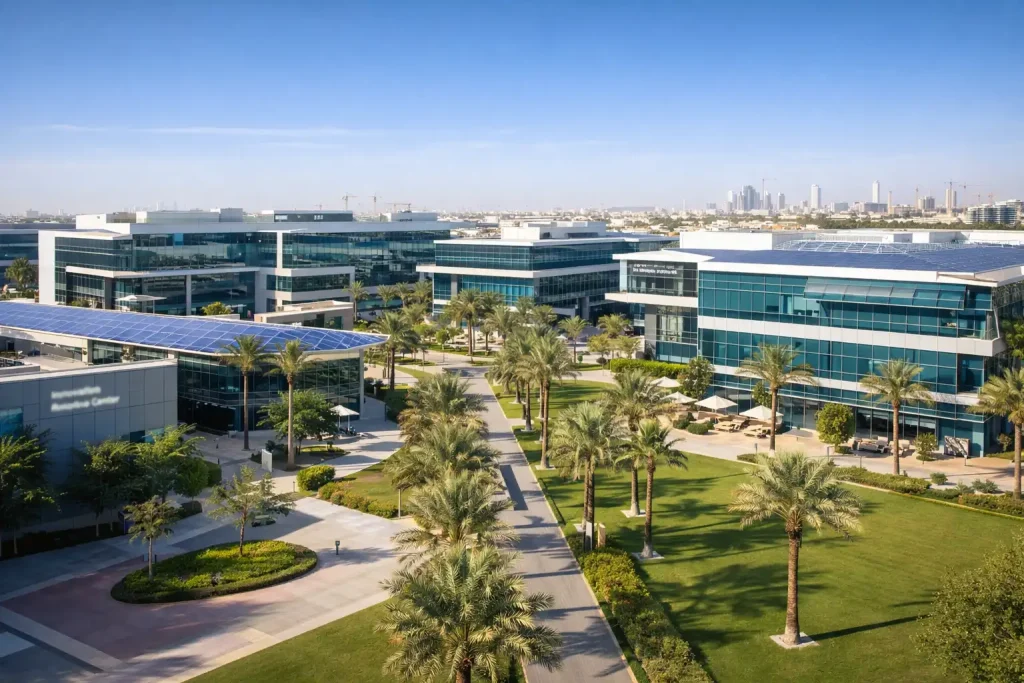
Dubai offers specialized ecosystems. Your choice should align with your sector and business model.
Dubai Silicon Oasis (DSO): A dedicated technology park and free zone, DSO suits R&D-focused firms, hardware innovators, and software developers. It offers a tech-campus environment with incubation facilities.
Dubai International Financial Centre (DIFC): The leading financial hub, DIFC is particularly suitable for fintech, regtech, and financial technology services. It operates under a common-law framework and has developed specific programs for artificial intelligence and Web3 businesses.
Dubai Multi Commodities Centre (DMCC): While known for commodities trade, DMCC has actively developed technology business packages, especially in blockchain and crypto sectors. It offers comprehensive tech licensing options and is among the most established zones.
Dubai Internet City (DIC) & Dubai Media City (DMC): These zones are established hubs for IT, media, and digital content companies. They are particularly strong for digital marketing, media technology, and gaming companies.
Affordable Alternatives: For solopreneurs, freelancers, and bootstrapped startups, zones like Umm Al Quwain Free Trade Zone or Sharjah Media City offer cost-effective entry points. Packages can start from under AED 10,000, including license and residency visa allocation, making them practical choices for establishing legal presence. For comprehensive comparisons, reviewing a detailed free zone comparison can help evaluate options.
The Step-by-Step Setup Process
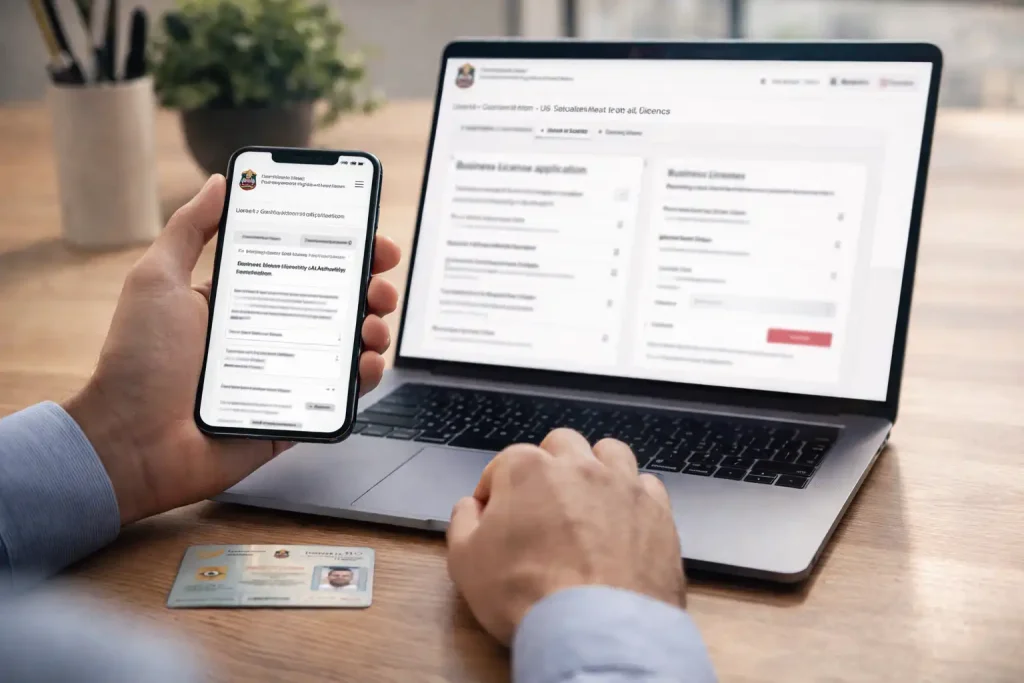
The company formation process has benefited from Dubai's digital initiatives. Many steps can be completed through online platforms, though specific requirements vary by jurisdiction.
Process Overview
Finalize Business Activity and Location: Based on your business model, decide on your precise activities and choose between mainland and a specific free zone.
Reserve Your Trade Name: Submit your proposed company name through the relevant portal (DED's platform or Free Zone system). Names must comply with UAE naming conventions.
Submit Initial Application and Documents: This typically includes passport copies of shareholders, a business plan or description, and completed application forms. For mainland setups, proof of office address is required.
Obtain Initial Approvals: Authorities review applications for regulatory compliance.
Lease Office Space: In free zones, select and contract your office or flexi-desk package. On mainland, secure physical office lease and complete registration requirements.
Draft and Finalize Legal Documents: This includes the Memorandum of Association (MOA) and any applicable service agreements. Digital signature capabilities are increasingly available through government platforms.
Pay Fees and Receive License: Upon payment of government and license fees, your business license is issued. Electronic versions are provided with legal standing.
Corporate Bank Account Opening: Understanding UAE business banking requirements is important as this can be a detailed process requiring comprehensive documentation. Applications can often be initiated online, though final approval involves document verification.
Residency Visa Processing: As a shareholder or employee, you can apply for UAE residency visa through your company's sponsorship. This involves medical testing, biometrics, and Emirates ID. For comprehensive information, reviewing UAE visa and immigration procedures can provide detailed guidance.
Understanding the Costs: Investment Breakdown
Have questions about this?
A 10-minute call with Mirza often saves weeks of research. No obligation — ask anything about your situation.
Costs vary significantly based on location, license type, and office choice. The figures below are estimates based on current fee structures and can vary. Budget a contingency for potential adjustments.
| Cost Component | Free Zone (Mid-range) | Mainland (DED) | Notes |
|---|---|---|---|
| Government & License Fees | AED 15,000 - AED 25,000 | AED 20,000 - AED 35,000 | Includes trade name, registration, and annual license fee |
| Office Lease (Annual) | AED 10,000 - AED 30,000 | AED 40,000 - AED 100,000+ | Free zone: Flexi-desk to private office. Mainland: Physical office |
| Visa Cost (First Investor) | AED 4,000 - AED 7,000 | AED 4,000 - AED 7,000 | Includes application, medical, Emirates ID, and processing |
| Professional Services | AED 5,000 - AED 10,000 | AED 7,000 - AED 15,000 | Consultancy fees for setup assistance |
| Estimated First-Year Total | AED 34,000 - AED 72,000 | AED 71,000 - AED 157,000+ | Excludes bank minimum balances and ongoing accounting |
For detailed cost planning specific to your situation, utilizing a business setup cost calculator can help estimate total investment requirements.
Advantages and Limitations: An Honest Assessment
Strategic Advantages
- Regional Hub Access: Strategic access to markets across the Middle East, Africa, and South Asia region with strong logistics infrastructure.
- Innovation-Focused Ecosystem: Access to initiatives in AI, Web3, and emerging technologies, with supportive regulatory approaches in specialized zones.
- Favourable Tax Environment: No personal income tax, and corporate tax applied at competitive rates. Understanding UAE corporate tax requirements is important for compliance planning.
- Digital Government Services: Increasingly digital setup processes reduce traditional administrative barriers and enable remote establishment in many cases.
- Talent Attraction: Ability to sponsor visas for yourself, family, and international team members under stable residency system.
Considerations and Limitations
- Market Access Rules: Free zone companies face restrictions on direct mainland market trading, requiring strategic planning for local market penetration.
- Banking Process: While improving, corporate bank account opening can be procedural and time-consuming, requiring thorough documentation.
- Ongoing Compliance: Companies must adhere to annual financial statement submissions, audit requirements for qualifying businesses, and regulatory reporting.
- Cultural Context: Success benefits from understanding local business culture and relationship-building approaches.
Common Mistakes and How to Avoid Them
Vague Business Activities: Choosing overly broad activity codes can lead to application issues or operational restrictions. Be specific and list all relevant activities from the outset.
Underestimating Total Cost: Focusing only on license fees ignores mandatory office, visa, and government service costs. Use comprehensive budget planning that accounts for all first-year expenses.
Misaligned Zone Selection: Selecting a free zone based solely on lowest cost without considering industry community and networking value. A fintech startup benefits from specialized financial zones rather than solely budget-focused options.
Insufficient Digital Platform Familiarity: Not utilizing available digital government platforms can slow the process. Familiarize yourself with online portals and digital signature capabilities.
Independent Navigation of Complex Requirements: While the process has digital components, strategic aspects of legal structuring, activity selection, and compliance benefit from professional guidance to prevent costly errors.
Who Might Consider Alternatives?
A Dubai technology license may not be optimal for all situations:
- Solo Freelancers with No Residency Need: If you serve clients abroad with no requirement for UAE bank account or residency, alternative structures may be more suitable.
- Single-Market Focus: If your entire business model is exclusively focused on markets where local incorporation provides clear advantages, establishing closer to your customers may be more efficient.
- Highly Regulated Sectors: Banking, insurance, or other highly regulated activities require specialized licenses from dedicated authorities beyond standard technology licensing.
Practical Use Cases and Scenarios

The International SaaS Company: A software company wants to establish regional headquarters for growing Gulf market demand. They incorporate a free zone company in Dubai Internet City, benefiting from 100% ownership and the ability to hire local staff with residency visas. They sell software online to global clients, managing mainland market restrictions appropriately.
The AI Development Team: Data scientists developing AI models seek a base for commercialization. They establish within DIFC's specialized programs, obtaining appropriate licensing. This provides credibility and alignment with progressive regulatory frameworks for emerging technologies.
The Independent App Developer: A solo developer wants to legally own a company and secure residency. They opt for a cost-effective package in an affordable free zone. For modest annual investment, they establish professional license, registered address, and residency visa, creating legitimate business presence.
Taking Your Next Steps
Your journey begins with clarity. Define your core business activities and your primary market (UAE, regional, or global). This will guide you toward a mainland or free zone path.
Next, research specific free zones catering to your sector. Review their websites and license packages. Simultaneously, prepare foundational documents: passport copies, business plan outline, and professional background documentation.
Consider engaging a corporate services provider experienced in technology business setup. Choose a partner who can act as strategic advisor, navigating nuances and ensuring your technology venture is built on a compliant foundation from the outset.
Also See: For a strategic comparison of UAE free zone options based on business activity, check out our decision guide: Best UAE Free Zone by Business Activity (2026 Guide) .
Sources and official references
Frequently Asked Questions — Technology Business License in Dubai
1. What is a technology license in Dubai?
A technology license is an official business license issued by mainland authorities or a UAE free zone that allows companies to conduct approved technology-related activities such as software development, AI services, cybersecurity, cloud services, or digital platform operations.
2. Do I need a special license for software or app development in Dubai?
Yes. Software development, SaaS provision, mobile app development, and related digital services must be listed as approved business activities under your company license.
3. What is the difference between mainland and free zone tech companies?
Mainland companies can operate across the UAE market and work directly with local clients. Free zone companies offer 100% foreign ownership and streamlined setup but generally serve international markets or operate within the zone unless additional arrangements are made.
4. Can a foreign entrepreneur own 100% of a tech company in Dubai?
Yes. Many technology activities allow full foreign ownership, especially in free zones. Mainland ownership depends on the specific activity and current regulations.
5. Do tech companies in Dubai need a physical office?
Mainland companies typically require a physical office lease. Many free zones offer flexible options such as flexi-desk packages or shared office solutions, which can be sufficient for licensing purposes.
6. How long does it take to set up a technology company in Dubai?
In many cases, the initial company formation process can take from a few days to a few weeks, depending on the jurisdiction, documentation, and approvals required.
7. What are the typical costs for a tech business license in Dubai?
Costs vary based on location, office type, visa requirements, and professional services. Major components include government license fees, office lease, visa processing, and administrative services.
8. Can a free zone tech company sell services to UAE mainland clients?
Free zone companies are generally structured to serve international markets or operate within the zone. Serving mainland UAE clients may require additional arrangements such as local distribution or contractual structuring.
9. Do technology businesses in Dubai have to pay corporate tax?
UAE corporate tax rules apply based on profit thresholds and business structure. Technology companies must assess their tax obligations and maintain proper accounting records in line with regulations.
10. Can I get a UAE residency visa through my tech company?
Yes. Company owners and employees can apply for UAE residency visas under company sponsorship, subject to immigration rules and visa quota allocations.
11. Are there tech-focused free zones in Dubai?
Yes. Zones such as Dubai Silicon Oasis, Dubai Internet City, DIFC (for fintech), and DMCC offer environments tailored to technology businesses with sector-focused ecosystems.
12. Is Dubai suitable for startups and early-stage tech founders?
Dubai offers digital government services, access to regional markets, and startup ecosystems. However, founders should carefully plan costs, market strategy, and compliance requirements before setting up.
Have a question about this?
Leave your details and a UAE expert will get back to you within 1 business day — free, no obligation.
Ready to take action?
Whether you're ready to start or still comparing options — we'll give you a straight answer.
Chat on WhatsApp
Usually replies within 2h
Get a Free Quote
Personalised in 60 seconds
Call Directly
Open daily, 10am–6pm UAE
About the Author
Dubai-based independent advisor on UAE visa, immigration, and offshore structuring. Founder of Henry Club UAE with 90+ published guides. Advisory-first — clarity before commitment.