
I help founders understand their options clearly before they commit to any structure, provider, or direction.
Quick Summary: Logistics License in Dubai
- What it is: Formal authorisation to run freight forwarding, warehousing, transport or integrated 3PL/4PL operations in Dubai.
- Where to license: Mainland via the Dubai Department of Economy and Tourism (DET) for direct UAE domestic trade, or a free zone such as JAFZA, Dubai South, DAFZA or SAIF Zone for international and re-export work.
- Warehouse rule: Warehousing, storage and transport activities require secured, approved facility space before the license is issued.
- Customs: Companies clearing goods must register with UAE Customs to obtain a Client Registration Number (CRN).
- First-year cost: Typical estimates run from about AED 82,000 in a free zone to AED 217,000+ on the mainland for a standard freight forwarding operation.
- VAT: VAT registration is mandatory once annual taxable turnover exceeds AED 375,000.
Quick answer: A logistics license in Dubai is your formal authorisation to run freight forwarding, warehousing, transport or integrated 3PL/4PL operations, issued either by the mainland (DET) for direct UAE domestic trade or by a free zone such as JAFZA, Dubai South, DAFZA or SAIF Zone for international and re-export work. Warehousing and transport activities need secured facility space before the license is issued, and you must register with UAE Customs for a Client Registration Number (CRN) to clear goods. Typical first-year budgets run from about AED 82,000 in a free zone to AED 217,000+ on the mainland, with VAT registration mandatory once turnover exceeds AED 375,000.
Positioning Your Logistics Business in Dubai
For those who are in the business of moving goods, Dubai offers strategic advantages as a major logistics hub. The sections below cover options for forwarders, warehousing specialists, freight operators, and supply chain businesses who see the UAE as a potential base for regional and global trade operations.
Securing a logistics license in Dubai is your formal authorization to operate within this ecosystem. The landscape features strong connectivity and infrastructure, but also nuanced regulations that differ between mainland and free zone jurisdictions. Understanding these differences from the outset can prevent operational challenges later.
The sections below provide clarity on the setup process, explaining the strategic implications of each choice, from license type to warehouse selection, all framed within practical operational realities.
Understanding the Logistics License Spectrum: Activity Matters
Your first decision is defining your exact business activity. UAE authorities categorize logistics operations with specificity, and your chosen activity dictates your licensing path, required approvals, and infrastructure needs. The main categories are:
Freight Forwarding and Clearing
This covers the arrangement, coordination, and execution of shipments on behalf of clients. It involves customs documentation (clearing) and managing relationships with carriers. This activity is available in most free zones and on the mainland.
Warehousing, Storage, and Distribution
This license allows operation of bonded or non-bonded warehouse facilities, inventory management, pick-and-pack, and distribution services within the UAE. This typically requires physical warehouse space as a prerequisite for licensing.
Land, Sea, or Air Transport Services
This involves owning or leasing an operational fleet (trucks, vessels, aircraft) to provide direct cargo transportation. This category is more heavily regulated, often requiring additional federal-level approvals from authorities like the Federal Transport Authority.
Third-Party Logistics (3PL) and Fourth-Party Logistics (4PL)
A 3PL license covers integrated warehousing and transportation services. A 4PL license extends to managing comprehensive supply chains, subcontracting to multiple 3PLs, and offering strategic oversight. These are advanced licenses offered in specific free zones tailored for logistics.
The Foundational Choice: Mainland vs. Free Zone
This choice fundamentally shapes your business model, cost structure, and market access.
Mainland Dubai (DED) Logistics License
A mainland company, licensed by the Dubai Department of Economy and Tourism (DET), grants you the right to operate across the UAE market. You can provide services directly to local clients, participate in government tenders, and conduct road transportation without restrictions.
Current regulations allow 100% foreign ownership for many business activities. The critical requirement is physical office space and, for warehousing or transport activities, approved warehouse or facility space. This route is typically preferred for businesses whose primary goal is serving the domestic UAE logistics market.
Free Zone Logistics License
When evaluating UAE free zone options, logistics-focused zones offer 100% ownership, full profit repatriation, and streamlined setup. However, a key consideration is that free zone companies are generally licensed to operate within the free zone and internationally. To provide services to mainland clients, companies typically need to work through local distribution arrangements or establish separate mainland licensing.
Free zones are often suitable for businesses focused on international freight forwarding, regional distribution hubs, or specialized storage (such as cold chain or valuables) where goods are primarily re-exported. They offer strong port- or airport-adjacent infrastructure.
Selecting the Right Free Zone for Logistics
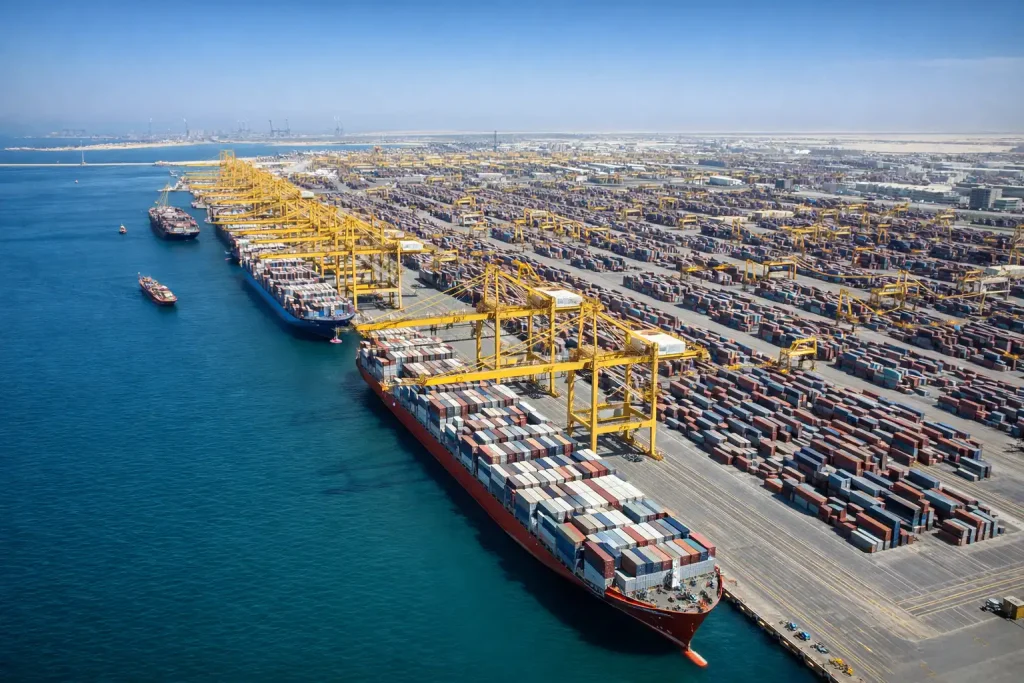
Your free zone choice should align with your operational focus and infrastructure requirements.
Jebel Ali Free Zone (JAFZA): JAFZA is a major logistics zone adjacent to Jebel Ali Port and Al Maktoum International Airport. It suits large-scale import/export operations, industrial logistics, and businesses requiring direct port access and on-site customs clearance.
Dubai South (Dubai World Central): Built around Al Maktoum International Airport, this zone centres on air logistics. It suits freight forwarders, courier services, express logistics, and time-sensitive cargo operations. The integrated logistics district offers warehouses with airport connectivity.
Dubai Airport Free Zone (DAFZA): Located at Dubai International Airport, DAFZA offers facilities for high-value, perishable, or urgent air cargo. It serves businesses handling passenger flight cargo and regional distribution of specialty goods.
Dubai Multi Commodities Centre (DMCC): While known for commodities trade, DMCC has a logistics corridor tailored for warehousing and distribution of commodities, precious metals, and general goods. It suits businesses that combine trading with logistics operations.
Sharjah Airport International Free Zone (SAIF Zone): A cost-effective alternative, SAIF Zone provides connectivity via Sharjah's seaport and airport, often at lower entry costs than Dubai zones. It is utilized by SMEs, startups, and businesses serving the Northern Emirates. For broader context on Sharjah company formation, additional resources are available.
For comprehensive evaluation of options, reviewing a detailed comparison of UAE free zones can help inform your decision.
The Step-by-Step Setup Process
The process has been standardized with digital components, though the sequence remains important.
Pre-Application & Planning
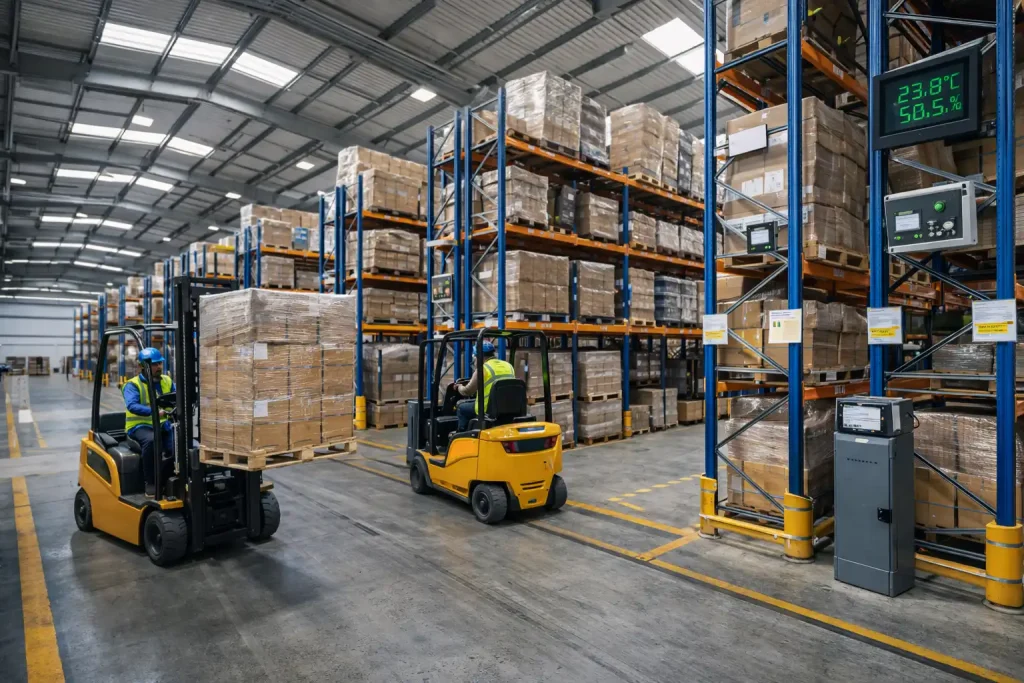
This is a critical phase. Define your precise activities, choose your jurisdiction (mainland or free zone), and secure initial approval for your trade name. For any activity involving warehousing or transport, you must also secure proof of your facility. This means having a signed lease or reservation for warehouse, office, or yard space before final license issuance.
Documentation & Submission
Prepare and submit required documents through the online portal of the DED or chosen free zone. Key documents typically include:
- Passport copies of shareholders and proposed manager
- A business plan outlining your logistics operations
- Proof of address from your home country
- A No-Objection Certificate (NOC) from any current UAE sponsor, if applicable
- The signed lease agreement for your facility
Government Approvals & License Issuance
The authority reviews your application. For certain activities like transport, you may need to obtain additional pre-approvals from federal bodies. Once all checks are complete and fees are paid, your commercial license is issued electronically.
Post-License Formalities
These steps activate your business:
Corporate Bank Account Opening: Understanding UAE business banking requirements is important as this can be a detailed process. Banks will review your business plan, projected transaction flows, and shareholder backgrounds.
Residency Visa Processing: Apply for visas for investors and employees following standard UAE visa and immigration procedures. This involves medical screenings and obtaining Emirates IDs.
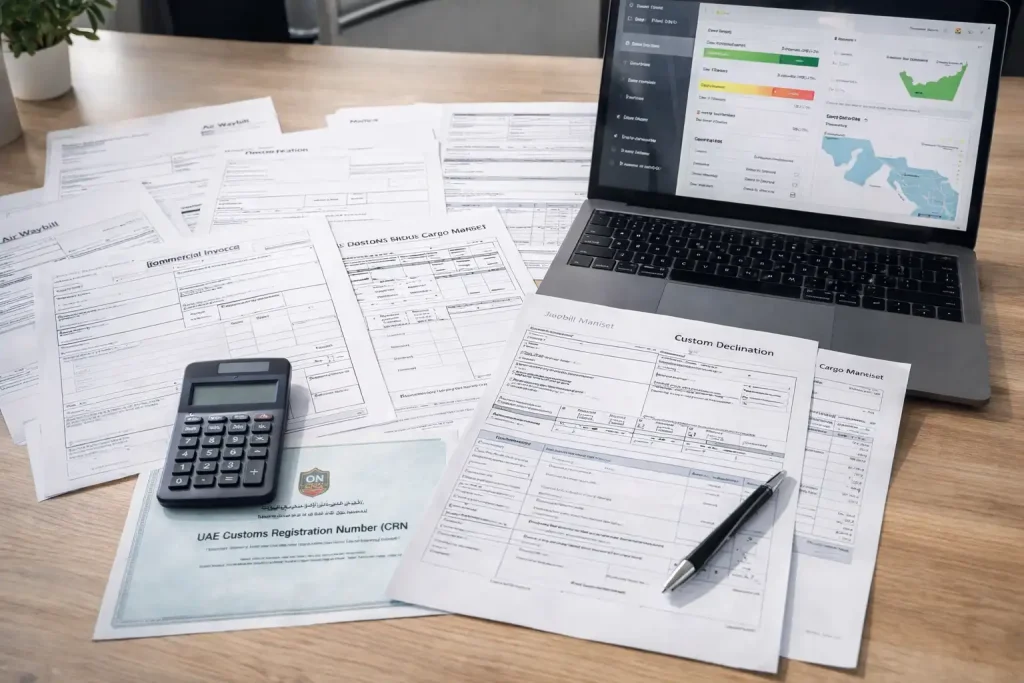
Operational Registrations: Register for VAT if your turnover will exceed the mandatory threshold (currently AED 375,000 annually). Understanding UAE corporate tax requirements is also important. You must also register with the Customs Authority to obtain your Client Registration Number (CRN) for clearing goods.
Costs: A Realistic Investment Breakdown
Have questions about this?
A 10-minute call with Mirza often saves weeks of research. No obligation — ask anything about your situation.
Costs vary significantly based on scale and location. The table below outlines typical first-year estimates for a standard freight forwarding operation. For businesses requiring large warehouses or fleets, facility lease costs will represent a major portion of total investment. These figures are estimates and can vary based on specific requirements.
| Cost Component | Mainland Dubai (DED) | Free Zone (e.g., JAFZA) | Notes |
|---|---|---|---|
| Government & License Fees | AED 25,000 - AED 40,000 | AED 20,000 - AED 35,000 | Includes trade name, license issuance, and annual renewal fee |
| Office/Warehouse Lease (Annual) | AED 70,000 - AED 150,000+ | AED 50,000 - AED 120,000+ | Mainland requires physical office. Free zone cost depends on size/location |
| Visa Cost (First Investor) | AED 4,000 - AED 7,000 | AED 4,000 - AED 7,000 | Standard costs for medical, ID, and processing |
| Professional Services Fees | AED 10,000 - AED 20,000 | AED 8,000 - AED 15,000 | For end-to-end application handling |
| Estimated First-Year Total | AED 109,000 - AED 217,000+ | AED 82,000 - AED 177,000+ | Excludes bank guarantees, VAT registration, and audit costs |
For detailed cost planning specific to your situation, utilizing a business setup cost calculator can help estimate total investment requirements.
Advantages and Limitations
Strategic Advantages
- Geographic Connectivity: Positioned within convenient access to major global markets, with established port and airport facilities.
- Tax Environment: Favourable corporate tax provisions for qualifying businesses. Free zones offer additional tax benefits for eligible activities.
- Infrastructure: Access to modern ports, air cargo facilities, bonded logistics corridors, and expanding road networks.
- Streamlined Processes: Digital setup processes and integrated service models in free zones reduce administrative requirements.
Practical Limitations
- Market Access Rules: The free zone domestic market access restriction is an operational consideration for businesses targeting UAE-based clients.
- Competitive Market: The logistics sector is competitive with established international and local operators. Success requires clear differentiation or specialized service offerings.
- Banking Process: Logistics businesses may face detailed due diligence during bank account opening, with scrutiny on transaction patterns and business models.
- Operational Costs: While setup can be competitive, prime warehouse space near ports or airports commands premium rates, and operating costs should be factored into planning.
Common Mistakes and How to Avoid Them
Mistake 1: Choosing a Free Zone Based Solely on License Cost
The lowest-cost zone may be geographically distant from needed infrastructure, adding transport costs and delays. Prioritize zones that align with your primary transport mode (air, sea, land).
Mistake 2: Underestimating Warehouse Requirements
Applying for a storage license without a secured, approved warehouse can halt your application. Engage with facility providers early. Understand differences between general, temperature-controlled, and bonded storage licenses.
Mistake 3: Vague Activity Selection
Listing only "Logistics Services" is insufficient. Be specific: "Freight Forwarding by Air and Sea" or "Bonded Warehousing and Distribution." Imprecise activity selection can limit operational scope or cause application issues.
Mistake 4: Neglecting Customs Registration
Your logistics license allows you to operate, but your Customs Registration Number (CRN) enables goods clearance. Factor in time and documentation required for this separate but essential registration.
Mistake 5: Overlooking Fleet Ownership Rules
If your model involves owning trucks for mainland distribution, understand the complex federal and emirate-level regulations on commercial vehicle registration, freight permits, and driver licensing. Many operators lease fleets from licensed local partners to manage these requirements.
Who Might Consider Alternatives?
A dedicated Dubai logistics license may not be necessary for:
- International Freight Forwarders with No UAE Physical Presence: If you are only arranging shipments that transit through UAE ports without local clearing or handling, you may not require a local entity.
- E-commerce Sellers Using Third-Party Fulfilment: Sellers using services like Fulfilment by Amazon in the UAE can often operate under the fulfilment provider's umbrella license for storage without needing their own logistics license.
- Consultants and Software Providers: If your business is supply chain consultancy or selling logistics software without physically handling goods, a consultancy or technology license may be more appropriate.
Practical Use Cases and Scenarios
Case 1: The Asian Manufacturer's Regional Hub
A manufacturer wants a centralized distribution centre for the Middle East and Africa.
Action: They establish a company in JAFZA, leasing a bonded warehouse. They import container loads under bond, store them, and then re-export smaller shipments to regional markets, managing customs duties according to destination requirements.
Case 2: The European Freight Forwarder Expanding Reach
A freight forwarder seeks a base to manage growing Middle East volumes and provide local customer service.
Action: They obtain a freight forwarding license in Dubai South (for air focus) or JAFZA (for sea focus). They hire local staff with residency visas. For door-to-door deliveries within Dubai, they subcontract to licensed mainland trucking companies.
Case 3: The Specialist Cold Chain Logistics Startup
A team aims to provide temperature-controlled logistics for pharmaceuticals and premium foods.
Action: They license a cold storage warehouse in a free zone like DMCC or DAFZA with suitable infrastructure. They obtain a specialized "Cold Storage and Distribution" license, ensuring their facility meets relevant health authority standards.
Taking Your Next Steps
Begin with an internal strategic review. Answer these questions:
- What is my primary service? (Forwarding, storage, transport, or integrated 3PL?)
- Who is my core customer? (International traders vs. UAE domestic businesses?)
- What is my essential infrastructure? (Do I need a warehouse, or just an office?)
Your answers will guide you toward a mainland or free zone path. If your target is the UAE domestic market, focus on mainland options. If your focus is international transshipment and re-export, evaluate free zones adjacent to your preferred port or airport.
Next, prepare a business plan and budget using the cost framework provided. Then, initiate consultations. Speak directly with free zone authorities you are considering and with corporate service providers experienced in the logistics sector.
The regulatory environment requires careful navigation. Thorough preparation ensures your logistics business is built on a compliant foundation, ready to operate effectively from the outset.
Also See: For a strategic comparison of UAE free zone options based on business activity, check out our decision guide: Best UAE Free Zone by Business Activity (2026 Guide) .
Frequently Asked Questions — Logistics License in Dubai
1. Do I need a special license to start a logistics business in Dubai?
Yes. Logistics activities such as freight forwarding, warehousing, transport services, or integrated supply chain operations require a specific commercial license issued either by Dubai mainland authorities or a UAE free zone, depending on your chosen jurisdiction and business model.
2. What is the difference between a mainland and free zone logistics license?
A mainland logistics license allows direct service to UAE domestic clients and participation in local contracts, while a free zone license typically supports international trade and re-export activities. Free zone companies may require additional arrangements to serve mainland customers.
3. Can a free zone logistics company operate inside the UAE mainland?
Free zone companies are generally licensed to operate within the free zone and internationally. To provide services to mainland UAE clients, companies may use local distributors, agents, or establish a separate mainland entity depending on the service model.
4. Is warehouse space required before getting a logistics license?
For warehousing, storage, or distribution activities, authorities typically require proof of secured warehouse or facility space before issuing the final license. Office-only setups may be sufficient for freight forwarding without physical storage.
5. What approvals are needed for transport-related logistics licenses?
Activities involving vehicle fleets, land transport, or specialized cargo movement may require additional approvals from federal or emirate-level transport authorities alongside the commercial license.
6. How much does it cost to set up a logistics company in Dubai?
Costs vary depending on license type, jurisdiction, warehouse size, visa requirements, and operational scale. Major components include government license fees, facility lease, visa costs, and professional service fees. Businesses requiring large warehouses or fleets should budget for higher initial investment.
7. Do logistics companies in Dubai need customs registration?
Yes. In addition to the commercial license, companies involved in import/export or goods clearance must register with UAE Customs to obtain a Client Registration Number (CRN), which is required for processing shipments.
8. Can a foreign investor own 100% of a logistics company in Dubai?
Many logistics-related activities allow 100% foreign ownership in both mainland and free zone structures, subject to the specific activity and regulatory requirements.
9. Is VAT registration required for logistics companies?
VAT registration is mandatory if annual taxable turnover exceeds the UAE threshold (currently AED 375,000). Logistics businesses involved in freight, storage, or distribution often fall within VAT scope depending on transaction type.
10. Which free zones are popular for logistics businesses?
Logistics-focused free zones include JAFZA (port logistics), Dubai South (air logistics), DAFZA (airport cargo), and SAIF Zone (cost-efficient regional distribution). The best choice depends on cargo type and transport mode.
Sources and official references
Have a question about this?
Leave your details and a UAE expert will get back to you within 1 business day — free, no obligation.
Ready to take action?
Whether you're ready to start or still comparing options — we'll give you a straight answer.
Chat on WhatsApp
Usually replies within 2h
Get a Free Quote
Personalised in 60 seconds
Call Directly
Open daily, 10am–6pm UAE
About the Author
Dubai-based independent advisor on UAE visa, immigration, and offshore structuring. Founder of Henry Club UAE with 90+ published guides. Advisory-first — clarity before commitment.