
I help founders understand their options clearly before they commit to any structure, provider, or direction.
With over 15 years of experience in UAE company formation consulting, I've observed that there is no universal "best" free zone for every entrepreneur. The UAE's ecosystem of more than 40 specialized free zones offers significant strategic advantages, but this variety requires careful selection. The most suitable jurisdiction depends on your specific business activity, operational requirements, and growth objectives. The sections below help you identify the environment where your business can benefit from sector-focused regulations, industry clustering, and infrastructure aligned with your operational model.
Quick Summary: Best UAE Free Zone by Business Activity in 2026
- There is no universal "best" free zone: The right free zone depends on your specific activity, target market, budget, banking profile and visa needs — not a single ranking.
- E-commerce: IFZA, Meydan, Dubai CommerCity, SHAMS — cost-effective Dubai-address options with integrated payment gateway access.
- Trading & general business: DMCC (premium, commodities), JAFZA (logistics & port access), IFZA (cost-effective mid-tier), UAQ FTZ (cheapest entry).
- Consulting & professional services: IFZA, Meydan, SPC, Sharjah Media City (SHAMS) — flexible packages, low capital requirements, virtual office options.
- Fintech & regulated financial services: DIFC and ADGM are the only choice for DFSA/FSRA-regulated firms — English common law, financial services ecosystem.
- Logistics & warehousing: JAFZA (Jebel Ali Port access), KIZAD (Abu Dhabi industrial), DAFZ (Dubai Airport Free Zone) — choose based on cargo type and origin/destination ports.
How to Choose a Free Zone Based on Business Activity
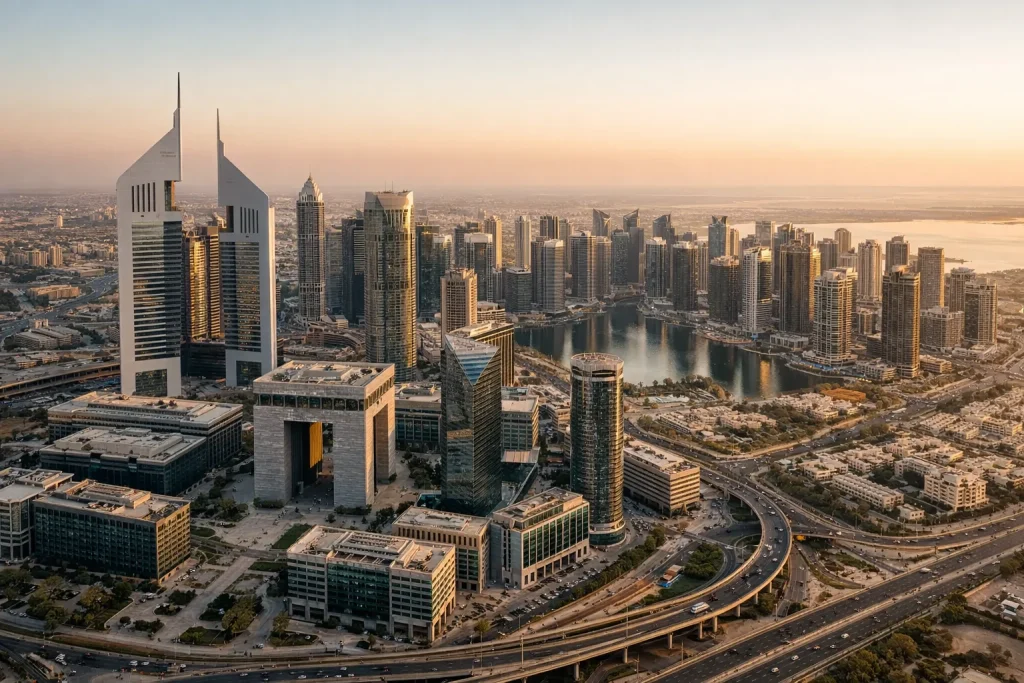
Selecting a free zone is a foundational business decision that extends beyond initial setup costs. Consider these five strategic factors when evaluating jurisdictions:
Regulatory Environment & Industry Focus: Each zone functions as a specialized ecosystem. A fintech startup will typically benefit from the common-law framework of the Dubai International Financial Centre (DIFC), while a commodity trader may find greater operational advantages within the Dubai Multi Commodities Centre (DMCC) network. Aligning your core activity with a zone's specialty can provide sector credibility and more streamlined licensing processes.
Banking Perception & Access: Your choice of free zone can influence corporate bank account opening procedures. Zones with established track records and larger business communities, such as DMCC and DIFC, are generally better recognized by UAE banks, which can be particularly relevant for trading, finance, and service firms navigating the account opening process.
Office, Warehouse, & Physical Infrastructure: Operational requirements vary significantly—from virtual offices suitable for digital consultants to extensive plots needed for heavy industry. Jebel Ali Free Zone (JAFZA) and Khalifa Economic Zone Abu Dhabi (KEZAD) cater to logistics and manufacturing with integrated port access and warehousing facilities, while zones like Sharjah Media City (SHAMS) offer cost-effective virtual office solutions.
Visa Allocation & Team Growth: Your office package directly determines your visa quota. A flexi-desk arrangement might permit 1-3 visas, while a private office can typically sponsor 10 or more. Project your 24-month hiring requirements to avoid a costly and disruptive office upgrade shortly after establishment.
Market Access & VAT Considerations: Understanding the structural distinction between free zone and mainland companies is essential. Free zone entities are configured primarily for international business and trade within designated zones. To conduct business directly within the UAE mainland market, you will typically need either a distribution arrangement with a mainland entity or a separate mainland license. Our comprehensive comparison of mainland versus free zone structures examines these market access differences in detail. Additionally, if your business involves physical goods, operating in a Designated Zone (such as JAFZA or Dubai South) can offer specific VAT advantages related to storage and movement of inventory.
Best Free Zone for E-commerce Businesses
The optimal choice depends on whether you maintain physical inventory or operate a digital/dropshipping model.
For E-commerce with Physical Inventory & Fulfilment
Zones with integrated logistics infrastructure are typically well-suited for inventory-based operations:
Dubai CommerCity (DCC): The UAE's first dedicated e-commerce free zone, offering bonded warehousing, last-mile delivery partnerships, and digital infrastructure designed for online retail operations.
JAFZA & Dubai South: These zones are frequently chosen for high-volume import/export and re-export operations, providing direct port and airport adjacency, substantial warehouse capacity, and efficient customs clearance processes.
RAKEZ: A cost-competitive alternative for SMEs, offering scalable warehouse solutions and logistics support with pricing generally lower than Dubai's premium zones.
For Digital Services, Dropshipping & Lean Operations
Flexibility and operational efficiency are priorities for businesses without physical inventory requirements:
International Free Zone Authority (IFZA) & Meydan Free Zone: These zones provide competitive Dubai-based packages with flexible flexi-desk office options, catering to online businesses that don't require physical storage facilities.
SHAMS & Fujairah Creative City: Among the most affordable entry points in the UAE, these zones are frequently selected by solopreneurs, freelancers, and digital product sellers serving international client bases.
E-commerce licensing is widely available across free zones, but your operational model—physical versus digital—will significantly influence the most cost-effective and operationally efficient jurisdiction. For detailed requirements and documentation processes, refer to our guide to e-commerce licensing in Dubai.
Best Free Zone for Trading Companies
For import, export, and re-export businesses, proximity to transport infrastructure and logistics efficiency are critical considerations.
Jebel Ali Free Zone (JAFZA): Consistently recognized as one of the world's leading free zones, JAFZA is frequently chosen for substantial trading operations. Its direct integration with Jebel Ali Port creates a comprehensive ecosystem for global supply chains, manufacturing, and logistics operations.
Dubai Multi Commodities Centre (DMCC): A prominent global hub for commodity trading (including gold, diamonds, tea, and other commodities) and general trade, strategically located in Jumeirah Lakes Towers. DMCC offers significant industry credibility, an extensive business network, and has also developed into a centre for blockchain and crypto-asset businesses. Review our detailed cost breakdown for DMCC company formation to understand the investment required for this premium jurisdiction.
Sharjah Airport International Free Zone (SAIF Zone) & Dubai Airport Free Zone (DAFZA): These zones provide strategic advantages for air freight operations and high-value goods due to their locations adjacent to major international airports.
Hamriyah Free Zone & Fujairah Free Zone: Cost-competitive, port-centric zones in Sharjah and Fujairah respectively, commonly selected for industrial trading, heavy equipment, and shipping-related activities.
Best Free Zone for Consultants & Service Firms
For consultancies—including management, marketing, IT, and advisory services—and professional service firms, licensing flexibility and office cost efficiency typically drive jurisdiction selection.
For Affordability & Virtual Operations
Sharjah Media City (SHAMS), Fujairah Creative City, and Umm Al Quwain Free Trade Zone (UAQFTZ) offer some of the most cost-effective establishment packages in the UAE. These zones are well-suited for solo professionals and small teams serving international clients, as they accommodate virtual office arrangements with relatively minimal upfront investment.
For a Credible Dubai Presence
IFZA and Meydan Free Zone strike a balance between reputation and affordability, providing a recognized Dubai address with flexible and reasonably priced desk and office packages. This combination makes them popular with SMEs and growing agencies seeking Dubai-based operations without premium-tier costs.
For Premium & Specialized Professional Services
DIFC is widely recognized as the hub for high-end legal, accounting, and consulting firms that serve the financial services industry and require a premium business environment with a robust regulatory framework.
When Mainland May Be More Suitable
If your primary client base is within the UAE mainland—such as local SMEs or government entities—a mainland license issued by the Dubai Department of Economic Development (DED) or equivalent emirate authority may be more practical for direct contracting. Note that as of recent regulatory changes, 100% foreign ownership is now permitted for many mainland business activities, though some sectors may still require local service agents for administrative purposes.
Get Jurisdiction Recommendation
Unsure which UAE free zone suits your business activity? Receive a clear, activity-based jurisdiction recommendation.
Best Free Zone for FinTech & Regulated Financial Activities
Have questions about this?
A 10-minute call with Mirza often saves weeks of research. No obligation — ask anything about your situation.
Highly regulated sectors including finance, insurance, and fintech require zones with robust, internationally recognized legal and regulatory frameworks.
Dubai International Financial Centre (DIFC): A leading financial hub operating with an independent common law judicial system and regulatory authority (DFSA). DIFC is a primary choice for banks, asset managers, insurance companies, and fintech firms seeking institutional credibility within a mature financial ecosystem. Note that financial services activities require separate licensing from the DFSA, in addition to the DIFC company formation. Our DIFC setup guide covers both the company formation process and regulatory licensing pathways.
Abu Dhabi Global Market (ADGM): Located on Al Maryah Island, ADGM operates under a comparable common-law framework with its own financial services regulator (FSRA). It serves as a significant alternative to DIFC and is frequently selected for investment funds, holding companies, and fintech ventures. Similar to DIFC, regulated activities require approval from the FSRA.
DMCC: Has developed a framework for crypto-asset and blockchain businesses, offering regulatory clarity and licensing options tailored to this evolving sector. DMCC's Crypto Centre provides a more accessible entry point for blockchain ventures compared to the financial centres.
Best Free Zone for Logistics & Warehousing
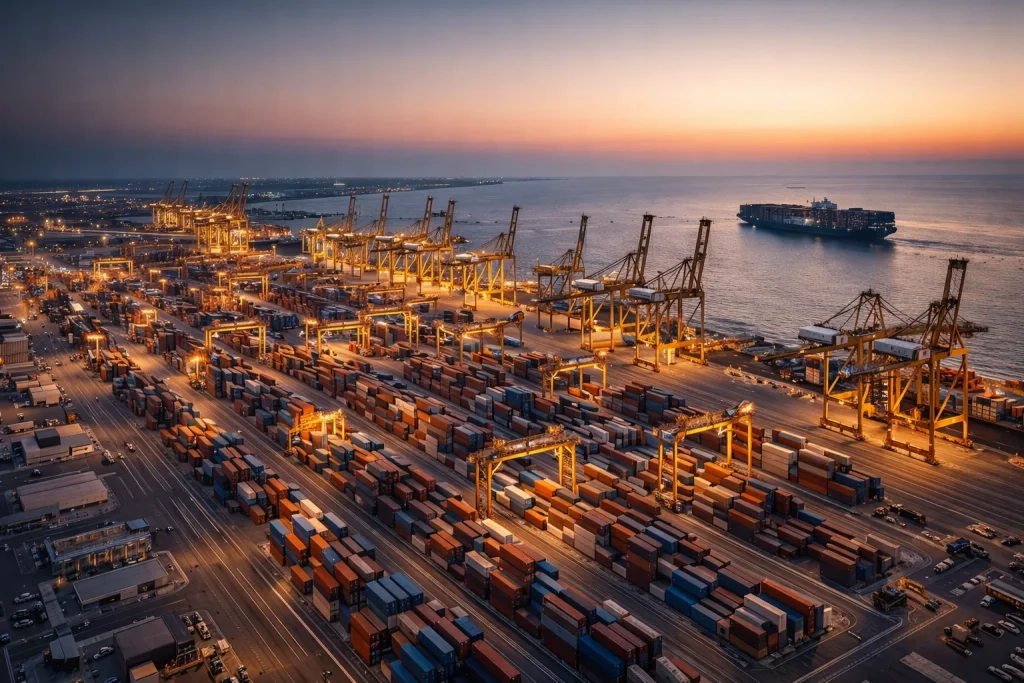
Operational efficiency in logistics derives from integrated supply chain infrastructure and connectivity.
JAFZA: A benchmark for logistics operations, directly connected to Jebel Ali Port and integrated within the DP World ecosystem. It offers extensive warehousing options including custom-built facilities, cold storage, and light industrial units, making it suitable for businesses ranging from global logistics operators to regional distributors.
Dubai South (Dubai World Central): Centered around Al Maktoum International Airport, this zone is designed as an integrated aviation, logistics, and e-commerce hub. It is commonly selected for freight forwarding, aviation logistics, and businesses requiring airside operational access.
KEZAD (Abu Dhabi) & Hamriyah Free Zone (Sharjah): Large-scale industrial zones providing extensive land plots, deep-water port access, and facilities specifically designed for manufacturing, heavy industry, and bulk commodity logistics.
Best Free Zone for Medical & Healthcare Businesses
Healthcare activities require regulatory approvals from authorities such as the Ministry of Health and Prevention (MOHAP) or the Dubai Health Authority (DHA), in addition to free zone licensing. Not all free zones are structured to facilitate these specialized approvals.
Dubai Healthcare City (DHCC): A dedicated healthcare zone with its own regulatory authority (DHCR) that streamlines licensing for hospitals, clinics, medical laboratories, pharmacies, and healthcare professionals. DHCC provides a comprehensive ecosystem including healthcare facilities, supporting services, retail, and residential components. Establishing a healthcare practice requires both DHCC company formation and separate professional licensing from the relevant health authority. For complete documentation requirements and approval procedures, consult our medical licensing guide.
Specialist Zones: Dubai Science Park (DSP) accommodates scientific research, pharmaceutical development, and wellness ventures, while Sharjah Healthcare City (SHCC) offers an alternative healthcare-focused zone in the Emirate of Sharjah.
Best Free Zone for Technology Startups
Technology startups benefit from zones that offer innovation ecosystems, networking opportunities, and scalable infrastructure.
Dubai Internet City (DIC) & Dubai Silicon Oasis (DSO): Established technology corridors in Dubai. DIC hosts major technology companies and mature startups, while DSO focuses on microelectronics, semiconductors, and R&D, offering incubation centres and collaborative workspaces.
Sharjah Research, Technology and Innovation Park (SRTIP): Emphasizes clean energy, environmental technology, and research-driven ventures, offering accelerator programs and competitive pricing for innovation-focused startups.
Flexible & Cost-Effective Options: IFZA, RAKEZ, and SHAMS are frequently selected by bootstrapped software startups (including SaaS businesses) and digital service providers due to their flexible licensing frameworks and lower-cost office packages, allowing founders to preserve working capital during early growth stages.
When Mainland May Be More Suitable Than a Free Zone
Free zones are structured primarily for international-focused businesses, but a mainland company may be more appropriate or necessary in specific scenarios:
Direct Sales to the UAE Local Market: If you intend to sell products or services directly to consumers or businesses within the UAE mainland without requiring a distributor or intermediary.
Government Contract Bidding: Most federal and emirate-level government tenders require a mainland-licensed entity for participation.
Physical Retail or Public-Facing Operations: Opening a shop, restaurant, showroom, or other establishment that serves the general public directly typically requires a mainland license.
Certain Regulated Professional Activities: Some professional services, such as mainland law firms or medical practices serving the public, require licensing through mainland authorities rather than free zones.
A hybrid approach some businesses adopt involves establishing both structures: a free zone company for manufacturing, international operations, or specific activities, and a mainland entity for local market sales and distribution. Our mainland company setup guide examines the documentation, approval processes, and structural considerations for UAE mainland licensing.
Common Mistakes When Choosing a Free Zone
Prioritizing Initial Cost Over Strategic Alignment: Selecting the lowest-cost zone for a financial services firm to minimize setup expenses can lead to challenges with banking relationships and industry credibility, potentially creating significantly higher costs over time.
Underestimating Visa Requirements: Choosing a package with 2 visas when you anticipate hiring 5 employees within a year necessitates an expensive and operationally disruptive office upgrade much earlier than planned.
Overlooking Banking Considerations: UAE banks evaluate free zone companies differently based on the zone's reputation and track record. Some business activities in less-established zones may experience extended timelines or challenges during the corporate account opening process.
Insufficient Attention to Renewal Costs: Many zones offer promotional pricing for the first year of operation. Failing to clarify standard renewal fees for subsequent years can result in unexpected budget requirements.
Misunderstanding Market Access Rules: Assuming that a free zone license automatically permits direct sales within the UAE mainland market can lead to regulatory complications. Understanding the distribution framework and market access limitations is fundamental to operational planning.

Conclusion
Establishing a successful UAE business begins with aligning your core business activity with a specialized ecosystem designed to support it. The most suitable free zone is not a universal designation but rather a strategic choice determined by your business model, operational requirements, and growth trajectory. Whether your priorities include world-class logistics infrastructure at JAFZA, the financial regulatory framework of DIFC, the cost-effective flexibility of SHAMS, or the specialized healthcare environment of Dubai Healthcare City, the UAE offers jurisdictions structured to support diverse business models. The next step is to verify that your intended activities align with your chosen zone's permitted business categories and to consult with experienced advisors to navigate the specific licensing and regulatory requirements for your sector.
Frequently Asked Questions
1. Is there one best free zone in the UAE for all businesses?
No. Each UAE free zone is structured around different industries, infrastructure, and regulatory frameworks. The most suitable option depends on your business activity, operational model, and whether you need logistics, digital operations, or regulated licensing.
2. Can a free zone company sell directly in the UAE mainland market?
Free zone companies are primarily structured for international trade or operations within the zone. To sell directly in the UAE mainland, businesses typically use a local distributor or establish a separate mainland license.
3. Do all free zones offer warehouse and logistics facilities?
No. Some free zones focus mainly on licensing and flexi-desk offices (e.g., media or consultancy-focused zones), while others such as JAFZA, Dubai South, and KEZAD provide large-scale warehousing and industrial infrastructure.
4. Which free zones are suitable for regulated financial or fintech businesses?
Financial services and fintech activities usually require jurisdictions with dedicated regulatory authorities, such as DIFC (regulated by DFSA) or ADGM (regulated by FSRA). Company formation alone does not replace financial regulatory approval.
5. Can healthcare businesses operate from any free zone?
Healthcare activities require approvals from authorities like DHA or MOHAP in addition to free zone licensing. Zones such as Dubai Healthcare City are structured specifically to support healthcare operations.
6. Does choosing a particular free zone guarantee easier bank account approval?
No jurisdiction can guarantee banking approval. However, zones with established reputations and large business ecosystems may be more familiar to banks, which can help in presenting a clearer business profile.
7. When is a mainland company more suitable than a free zone company?
A mainland structure may be more appropriate when your business requires direct UAE market sales, government contracts, physical retail outlets, or certain regulated professional activities.
Sources & Official References
The information in this guide reflects current UAE federal and emirate-level regulations. For the most up-to-date figures and procedures, consult the official sources below:
- UAE Government Portal — Free Zones — Federal portal listing all UAE free zones.
- Ministry of Economy — Free Zones — Federal oversight of UAE free zone regulations.
Have a question about this?
Leave your details and a UAE expert will get back to you within 1 business day — free, no obligation.
Ready to take action?
Whether you're ready to start or still comparing options — we'll give you a straight answer.
Chat on WhatsApp
Usually replies within 2h
Get a Free Quote
Personalised in 60 seconds
Call Directly
Open daily, 10am–6pm UAE
About the Author
Dubai-based independent advisor on UAE visa, immigration, and offshore structuring. Founder of Henry Club UAE with 90+ published guides. Advisory-first — clarity before commitment.