

I help founders understand their options clearly before they commit to any structure, provider, or direction.
For entrepreneurs forming a company on the Dubai mainland, one of the most critical—and often misunderstood—decisions is the selection of official business activity codes. These codes are not administrative formalities; they form the legal definition of what your company is permitted to do. Choosing the correct codes is a foundational step that typically influences license approval outcomes, operational flexibility, banking relationships, and long-term compliance. This guide explains the Dubai Department of Economy and Tourism (DED/DET) activity code system from a practical, compliance-focused perspective, helping you make informed choices before submitting your license application.
Quick Summary: Dubai Business Activity Codes in 2026
- What activity codes are: Standardised codes from the DED/DET that classify your permitted business activities on your trade license.
- Why they matter: They determine your permitted operations, visa quotas, external approval requirements, and bank account onboarding.
- Multiple activities: Most licenses allow multiple related activities within the same broad classification. Cross-classification activities often need separate licenses.
- Selection mistakes: Choosing a vague or mismatched code causes bank rejections, customs delays, and audit risk. Pick the most specific code that fits your real operations.
- Restricted activities: Activities involving finance, healthcare, construction, food, and crypto typically require external approval from the relevant UAE regulator.
- Changing activities later: You can add or amend activities post-incorporation through a DED license amendment — usually a 5–10 day process with associated fees.
What Are Dubai Business Activity Codes?

Dubai business activity codes are a standardized classification system used by the Dubai Department of Economy and Tourism to categorize commercial, professional, and industrial activities. Each code corresponds to a specific, detailed activity description in both Arabic and English. When your trade license is issued, these approved codes are listed on the document, forming the regulatory boundary of your authorized business operations.
The system is hierarchical. Broad categories—such as "Commercial," "Professional," or "Industrial"—determine your primary license type. Within these categories, specific codes define your exact activities. For instance, under "Commercial," you will find distinct codes for "Textiles Trading," "Electronics Trading," and "Online E-Commerce Trading." Under "Professional," codes separate "Management Consultancy" from "Engineering Consultancy" or "Digital Marketing Services."
These codes represent regulatory authorizations. Conducting business outside your licensed activities may constitute a compliance matter that could result in administrative consequences, operational restrictions, or complications during renewal processes. Therefore, understanding and accurately selecting these codes is an essential aspect of corporate structuring for your Dubai entity. Businesses completing Dubai business setup should prioritize activity code selection as part of their formation strategy.
How Activity Codes Affect Your Business Structure
The activity codes you choose typically influence multiple aspects of your business setup and operations, extending well beyond the license document itself.
License Type and Associated Requirements
Your primary activity generally determines whether you receive a Commercial License (for trading goods), a Professional License (for services, expertise, or consulting), or an Industrial License (for manufacturing or transformation activities). Each license type typically has different capital requirements, office specifications, and associated government fee structures.
Government Approvals
Many activities are classified as "regulated" and typically require pre-approval from a designated government authority before the DED can process the license. For example, a code for "Healthcare Management Consultancy" may require approval from the Dubai Health Authority (DHA). "Real Estate Brokerage" typically requires approval from the Real Estate Regulatory Agency (RERA). Selecting such codes initiates additional approval processes that extend application timelines.
Office and Space Requirements
The DED generally mandates specific office space requirements based on activity classification. Most professional service activities can typically be conducted from flexi-desk arrangements or small offices in commercial buildings. However, many trading and industrial activities may require larger warehousing or showroom space, and some activities like logistics may have specific facility requirements. Your chosen activity code will typically be cross-referenced against your tenancy contract (Ejari) during application review.
Visa Eligibility and Quotas
Your activity and corresponding license type may influence the number of employee visas you are eligible to sponsor. Some industrial and large-scale trading activities typically qualify for higher visa quotas compared to smaller professional consultancies, based on assessed operational scale and business nature.
Corporate Bank Account Considerations
This is where misalignment often creates significant challenges. Banks typically compare your licensed activities with your transaction patterns during account opening and ongoing monitoring. If your license states "General Trading" but your bank account shows transaction patterns more consistent with "Financial Consultancy" or "IT Services," it may raise compliance questions that could complicate banking relationships. Understanding how activity codes interact with business banking services helps ensure alignment from the outset.
Tax Registration and Classification
When registering for UAE Corporate Tax with the Federal Tax Authority (FTA), your business activity codes typically form part of your tax profile. They may inform assessments regarding regulated sector classification or specific administrative categorizations, though they do not determine final tax treatment.
Rules for Selecting Business Activities

Navigating activity selection requires understanding several key regulatory principles.
Primary vs. Secondary Activities
You must designate one activity as your "Primary" or "Main" activity. This should represent your core revenue-generating business model. You can then add multiple "Secondary" or "Additional" activities. However, all activities typically must be logically connected and operationally justifiable. The DED may question combinations that appear disjointed or lack clear business rationale.
Activity Compatibility
The DED generally enforces compatibility principles. For example, you typically cannot combine a pure trading activity (like "Car Trading") with a professional service activity (like "Legal Consultancy") on a single license, as they fall under different regulatory and operational frameworks. Such combinations would generally require separate legal entities.
Regulated vs. Non-Regulated Activities
This is a crucial classification filter. Regulated activities typically require pre-approval from an external government body. Common examples include:
- Healthcare, pharmaceutical, or medical equipment activities (typically require DHA or MOHAP approval)
- Food trading, catering, or restaurant operations (typically require Dubai Municipality approval)
- Educational training or consultancy services (typically require Knowledge and Human Development Authority approval)
- Engineering or architectural services (typically require Dubai Municipality or relevant professional body approval)
Selecting a regulated activity code typically commits you to a more detailed application process with extended timelines.
Common Mistakes in Activity Selection
Have questions about this?
A 10-minute call with Mirza often saves weeks of research. No obligation — ask anything about your situation.
Through professional observation, several recurring errors occur during the activity selection process.
Choosing Too Many Unrelated Activities: Founders sometimes believe that adding numerous disparate secondary activities maintains maximum flexibility. However, listing ten unrelated activities—from import/export to event management to software development—may signal lack of business focus and could trigger additional scrutiny during application review or banking processes.
Selecting the Wrong License Category: Attempting to register a consulting firm under a commercial trading license because it appears simpler represents a fundamental structural error. The legal frameworks, liability implications, and approval paths differ significantly. A software developer providing licensed solutions is delivering a professional service rather than trading physical goods, and licensing should reflect this distinction.
Ignoring Approval Requirements: Selecting an activity like "Pharmaceutical Trading" without understanding the rigorous approval process from health authorities may lead to application suspension and wasted processing time and fees.
Copying Another Company's License Structure: Using a competitor's publicly listed activities as a template carries risk. Their license may contain grandfathered activities no longer issued under current regulations, or reflect unique approvals obtained under different circumstances. Your business structure should be justified based on your specific operational model.
Practical Activity Code Scenarios
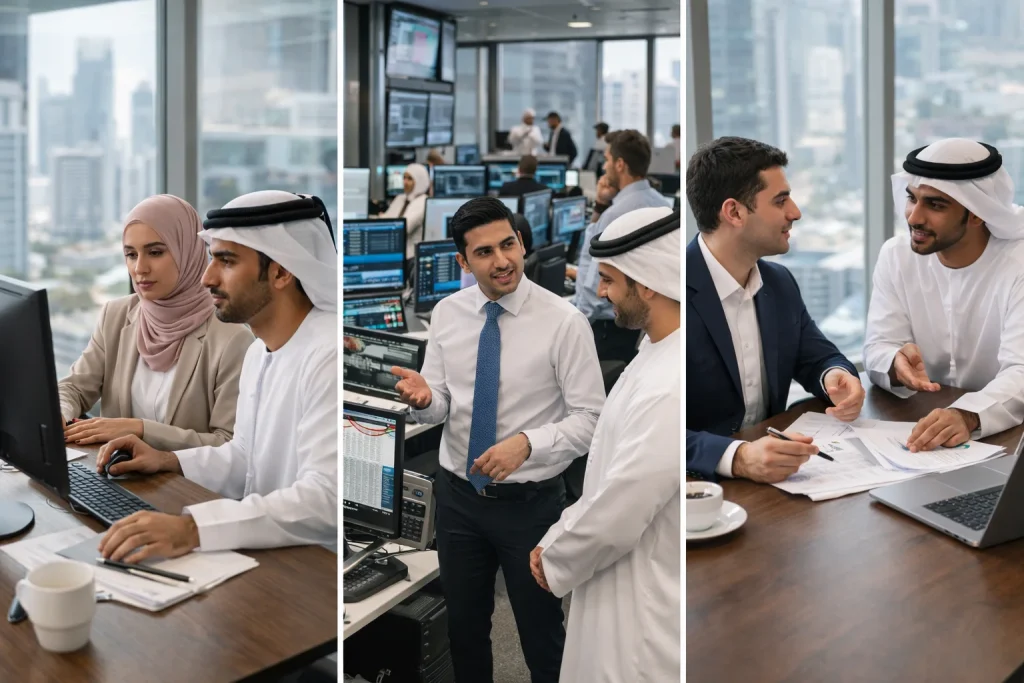
Examining real-world scenarios clarifies the selection process.
Marketing Consultancy
This represents a classic Professional License activity. The primary code would typically be "Management Consultancy" or a more specific "Digital Marketing Services" designation. Secondary activities could include "Media Representation," "Public Relations Services," and "Event Management." All represent logically connected service-based activities. External approvals are typically not required unless advertising content involves regulated sectors.
E-Commerce Trading
This falls under Commercial License classification. The precise primary code is critical: "Online E-Commerce Trading" represents a distinct classification allowing retail sale of goods via digital platforms. Secondary activities might include "Marketing via Social Media" and "Warehousing and Storage Services." Importantly, licenses typically specify product categories (such as "consumer electronics" or "fashion apparel"), which should align with import documentation and website offerings.
Technical Services Company
A firm providing installation and maintenance of security systems typically requires a Professional License. The primary activity would be "Security Systems Installation & Maintenance." Secondary activities could include "Technical Consultancy" and potentially "Wholesale of Security Equipment" (noting that wholesale elements may have commercial license implications requiring assessment). Approvals from Dubai Police or Civil Defence may be necessary depending on specific service categories.
Food Trading Business
This is a highly regulated Commercial License activity. The primary code would be "Foodstuff Trading," which typically triggers mandatory Dubai Municipality Food Safety Department approval. Office and warehouse facilities will generally be subject to safety inspection. Secondary activities like "Import and Export" and "Cold Storage" are compatible but will be reviewed within the context of food safety regulatory frameworks.
How Incorrect Activity Codes Create Challenges
The consequences of incorrect activity selection are both operational and administrative.
License Application Issues: The most immediate challenge involves application processing. An incompatible mix of activities or missing pre-approval documentation may result in application rejection, requiring restart of the process and potential loss of fees.
Banking Compliance Considerations: As noted, banks perform ongoing transaction monitoring. A mismatch between licensed activities and cash flow patterns is a common reason for corporate account complications, including requests for extensive documentation, transaction holds, or relationship challenges. For instance, a "General Trading" license generating recurring subscription-style payments may prompt detailed inquiries.
Government Inspection Matters: The DED conducts routine inspections of business premises. If an inspector observes activities not listed on your license—such as a "Consultancy" firm operating visible retail operations—this may result in administrative consequences and potential operational restrictions.
Employee Visa Processing: When applying for employee visas under specific activities, the nature of the employee's professional role should typically align with the company's licensed activities. Sponsoring a "Marketing Executive" under a license purely for "Heavy Equipment Trading" may complicate immigration processing.
Contractual and Operational Considerations: Entering major contracts or government tenders may be affected if your license does not explicitly permit activities outlined in the contract. This may create legal considerations and affect commercial credibility.
Organizations navigating broader UAE business setup processes should ensure activity code selection aligns with their complete operational strategy, including banking and compliance requirements.
Need Help Choosing the Right Business Activities?
Selecting business activity codes is a critical step in Dubai company formation. If your business involves multiple services, regulated sectors, or future expansion plans, structured guidance can help ensure your license activities align with approvals, banking expectations, and compliance requirements from the start.
When Professional Guidance May Be Valuable
While straightforward service businesses can often navigate the public activity classification system, certain situations may benefit from professional structuring advice:
- Business models involving multiple, complex service lines that may span different regulatory categories
- Entry into clearly regulated sectors like healthcare, finance, education, or food and beverage operations
- Plans to combine e-commerce with logistics, import/export, and domestic trading elements
- Establishment of holding companies or investment vehicles that will own other businesses or assets
- Long-term plans involving specific government tenders or partnerships with precise licensing requirements
In these cases, advisors with experience in license structuring can help design efficient and compliant entity frameworks, potentially reducing timeline delays and future remedial requirements.
Mainland vs. Free Zone Activity Considerations
While this guide focuses on Dubai mainland DED licensing, it's worth noting that free zone companies operate under different activity classification systems specific to each free zone authority. Free zones typically have streamlined activity lists and different approval processes. However, the fundamental principle remains the same: activities must be clearly defined, properly licensed, and aligned with actual business operations for banking and compliance purposes.
Final Considerations
Selecting your Dubai business activity codes is a strategic decision requiring careful consideration of your current operations and future direction. It forms the regulatory blueprint upon which your legal and commercial identity is built. Approaching this step with diligence—focusing on clarity, compatibility, and compliance—helps prevent administrative and operational challenges.
Before finalizing your application, critically review your chosen activities: Are they accurate, justifiable, and aligned with your actual business model? Are all required approvals understood and attainable? Does the activity structure support your banking, visa, and operational requirements? Investing time in correct activity structuring from the outset contributes to smoother operations and reduces the likelihood of remedial restructuring as your Dubai enterprise develops and scales.
Sources & Official References
The information in this guide reflects current UAE federal and emirate-level regulations. For the most up-to-date figures and procedures, consult the official sources below:
- DET — Business Activities — Official Dubai DED/DET activity classifications and licensing.
- Invest in Dubai — Activity Search — Search and select Dubai business activity codes.
Frequently Asked Questions About Dubai Business Activity Codes
What are Dubai business activity codes?
Dubai business activity codes are official classifications used by the Dubai Department of Economy and Tourism (DET) to define what a company is legally permitted to do under its trade license. Each licensed company must select approved activities that reflect its actual operations.
Can I add multiple activities on one Dubai trade license?
Yes, companies can usually include multiple activities, provided they are compatible and fall within the same regulatory framework. Unrelated or conflicting activities may require separate licenses or additional approvals.
What happens if my business operates outside its licensed activities?
Operating beyond approved activities may lead to regulatory issues, including warnings, fines, requests to amend the license, or complications during renewal, inspections, or banking reviews.
Do some business activities require special approvals?
Yes. Regulated sectors such as healthcare, education, food trading, engineering, and real estate typically require approvals from relevant authorities before a license can be issued.
Do activity codes affect corporate bank account approval?
Yes. Banks review licensed activities during account opening and monitoring. If transaction patterns do not align with the declared activities, banks may request clarification or additional documentation.
Can I change my business activities after the license is issued?
Yes, activity amendments are generally possible, but they require formal modification procedures and, in some cases, fresh approvals depending on the nature of the new activity.
How do I know which activity code is correct for my business model?
The correct activity should accurately reflect your primary revenue-generating operations and future business plans. When multiple services or regulated sectors are involved, professional structuring advice can help ensure compliance and operational flexibility.
Have a question about this?
Leave your details and a UAE expert will get back to you within 1 business day — free, no obligation.
Ready to take action?
Whether you're ready to start or still comparing options — we'll give you a straight answer.
Chat on WhatsApp
Usually replies within 2h
Get a Free Quote
Personalised in 60 seconds
Call Directly
Open daily, 10am–6pm UAE
About the Author
Dubai-based independent advisor on UAE visa, immigration, and offshore structuring. Founder of Henry Club UAE with 90+ published guides. Advisory-first — clarity before commitment.