
I help founders understand their options clearly before they commit to any structure, provider, or direction.
Quick Summary: Best Areas at a Glance
- 2026 market phase: Growth is segmented. Selective, area-level performance has replaced broad market surges.
- Under AED 1.5M: JVC and Arjan lead the value tier.
- AED 1.5M–4M: Business Bay for ready apartments, Dubai Hills Estate for family townhouses and villas, and select ready units in Dubai Creek Harbour.
- AED 4M+: Downtown Dubai and Palm Jumeirah for iconic assets; Mohammed Bin Rashid City for master-planned ultra-luxury.
- Visa angle: Property valued over AED 2 million can qualify the buyer for the 10-year Golden Visa.
- Data note: Assessments reflect market information available as of March 2026.
Reading the 2026 Dubai Property Market
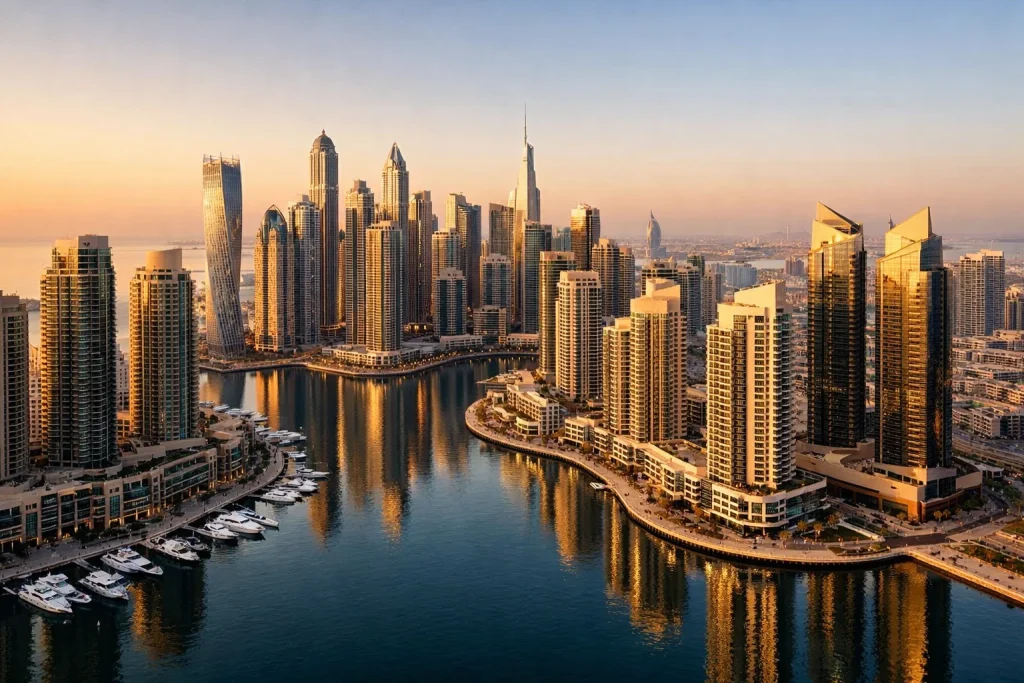
For international investors, relocating professionals, and second-home buyers researching Dubai's property landscape for 2026, the sections below cover you. The market is entering a new phase of maturity, characterized not by the uniform boom of recent years but by nuanced, segment-specific opportunities and a greater emphasis on fundamentals. With substantial new supply entering the market and growth patterns moderating across most segments, success will depend less on speculation and more on strategic, informed decision-making. This guide aims to provide the clarity and context you need to identify the areas that align with your financial goals and risk appetite.
Key Takeaways for the 2026 Investor
Growth is Segmented: Broad market surges are giving way to selective growth. Performance will diverge sharply by location, property type (with villas continuing to outperform apartments in many cases), and community quality.
Supply is a Dual-Edged Sword: While headline supply figures are substantial, focusing on actual handovers versus launches is crucial. Established areas with limited new land will behave very differently from emerging districts with large development pipelines.
Yields Remain a Core Strength: Typical gross rental yields of 5-7% for apartments and 4-6% for villas continue to make Dubai attractive on a global scale, though these vary significantly by community and property condition.
The End-User is King: Market stability is increasingly driven by end-user demand—families and long-term residents—supported by population growth and visa reforms. Investments catering to this demographic offer greater resilience.
Strategic Clarity is Non-Negotiable: The choice between ready properties (for immediate yield, lower risk) and off-plan purchases (for potential capital growth, lower entry cost) will define your investment journey and must align with clear financial goals and timelines.
How to Choose: Your Decision Framework
Before examining specific areas, use this checklist to clarify your priorities:
- Primary Goal: Capital appreciation, rental income, or capital preservation?
- Investment Horizon: Short-term (1-3 years), medium-term (3-7 years), or long-term (7+ years)?
- Risk Profile: Low (ready property in core area), medium (off-plan with reputable developer), or high (early entry in emerging zone)?
- Target Tenant: Young professional, corporate executive, or family?
- Budget Reality: Total acquisition cost, including all fees, and a clear understanding of ongoing service charges.
The 2026 Area Analysis: From Established Cores to Growth Frontiers
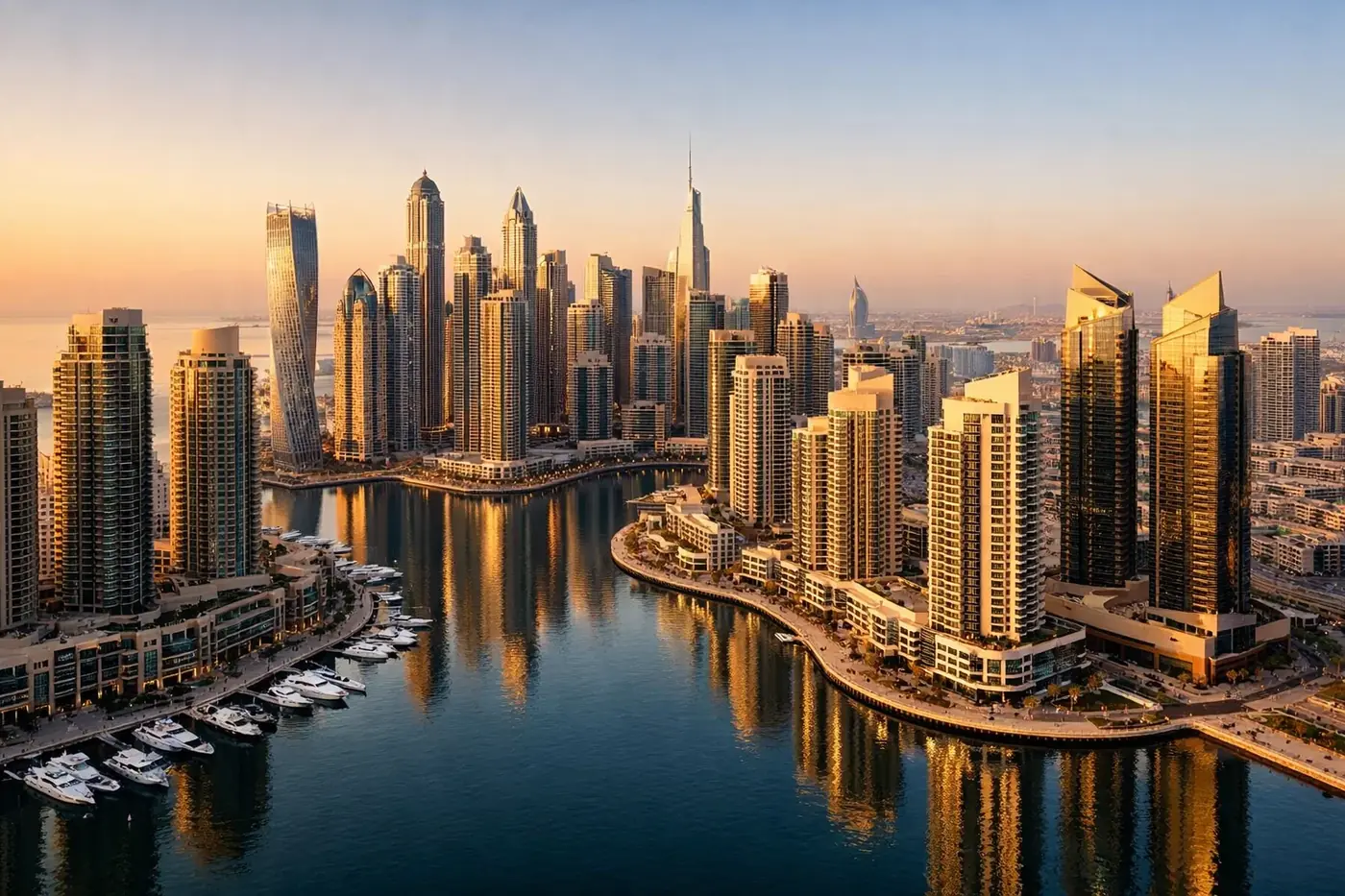
Dubai Marina
Best For: Investors targeting consistent, high-quality rental demand from young professionals and corporate tenants. Suits those seeking liquidity and stability over maximum speculative gain.
Property Types: Studios and one-bedroom apartments in well-managed, waterfront towers typically perform best for yield. Larger units with views cater to the premium segment.
Rental Demand Drivers: Strong lifestyle appeal, dense concentration of dining and nightlife options, and proximity to key business hubs such as Jumeirah Lakes Towers and Media City help maintain occupancy rates above 90% in quality buildings.
Risks and Considerations: High service charges can erode net yield. Market saturation of similar units can limit rental growth in older buildings. Supply pressure from newer waterfront communities may affect long-term price appreciation.
Advisory Verdict: Consider if you prioritize stable, hands-off rental income and high liquidity from a proven market segment. May not suit investors seeking high capital growth or those with low tolerance for potentially modest price appreciation in a mature area.
Business Bay
Best For: The pragmatic investor who values convenience. Ideal for targeting working professionals who desire a short commute to Downtown and DIFC.
Property Types: Well-finished one and two-bedroom apartments in towers with good amenities and canal views. The area is predominantly apartment-based.
Rental Demand Drivers: Central location, growing office density, and improving retail and dining infrastructure. Offers a more accessible entry point than neighbouring Downtown with similar connectivity.
Risks and Considerations: Traffic congestion can be an issue during peak hours. Quality and tenant profiles vary greatly from one building to another, requiring careful due diligence on management and owner committee effectiveness.
Advisory Verdict: Consider if you understand building-specific dynamics and can identify well-managed properties with transparent service charge histories. May not suit investors unable to conduct detailed due diligence on individual building quality.
Downtown Dubai
Best For: Ultra-prime capital preservation and branding. Appeals to high-net-worth individuals and investors seeking a trophy asset with global recognition.
Property Types: High-floor apartments and penthouses with direct views of the Burj Khalifa or Dubai Fountain. Branded residences often command significant premiums here.
Rental Demand Drivers: Iconic status, luxury retail presence (The Dubai Mall), and cultural attractions. Tenants are typically senior executives or ultra-high-net-worth individuals seeking premium positioning.
Risks and Considerations: High entry costs and service charges. Rental yields are often among the lowest in the city due to the price premium. Liquidity can be lower for super-prime units due to the specialized buyer pool.
Advisory Verdict: Consider if your strategy is long-term wealth preservation in a globally recognized location, not yield maximization. May not suit yield-sensitive investors or those with mid-market budgets.
Jumeirah Village Circle (JVC)
Best For: The value-driven investor seeking balance between yield, affordability, and growth potential. A common choice for first-time investors and end-users.
Property Types: Two and three-bedroom apartments in low to mid-rise buildings offer strong appeal to families and working professionals. Townhouses are also in steady demand.
Rental Demand Drivers: Family-friendly, low-rise community feel, strong road connectivity, and improving retail and leisure amenities. Represents a core segment of mid-market demand.
Risks and Considerations: Community maturity varies block by block. Some areas face parking challenges. High transaction volumes mean resale competition can be significant, requiring competitive pricing.
Advisory Verdict: Consider if you seek solid fundamentals—consistent rental demand and steady appreciation potential—at an accessible price point. May not suit those requiring immediate luxury-level finishes or direct metro connectivity.
Dubai Hills Estate
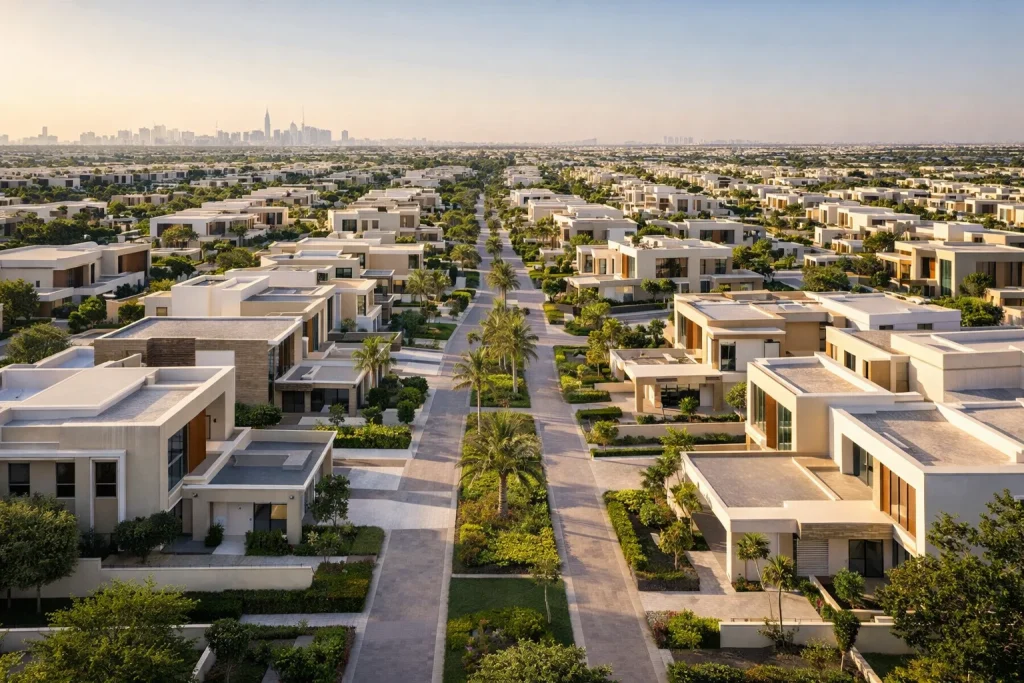
Best For: The family-focused investor or end-user with a mid-to-high budget. Targets long-term hold strategies driven by lifestyle and quality of community infrastructure.
Property Types: Villas and townhouses tend to perform strongly due to limited supply and high demand. Apartments with golf course or park views also hold appeal among professionals and small families.
Rental Demand Drivers: Master-planned community with parks, reputable schools, a golf course, and retail amenities. Represents the shift toward green, low-density suburban living preferences.
Risks and Considerations: Premium pricing relative to other suburban communities. Limited stock of ready villas can drive prices higher. Can feel remote for those working in older business districts without personal transport.
Advisory Verdict: Consider if your strategy is long-term (5+ years) and you are focusing on the villa or townhouse segment for family-oriented tenants. May not suit investors seeking high short-term yields or those with budgets limited to the apartment segment.
Palm Jumeirah
Best For: The luxury segment investor targeting waterfront exclusivity and market resilience. Serves both the ultra-luxury rental market and the second-home buyer segment.
Property Types: Beachfront villas and high-floor apartments in iconic towers offer unique positioning. Property uniqueness and view quality are paramount to value.
Rental Demand Drivers: Exclusive beachfront status, proximity to five-star hotel amenities, and privacy. Attracts elite tourists, senior corporate executives, and ultra-high-net-worth tenants.
Risks and Considerations: Among the highest maintenance and service costs in Dubai. Performance can be sensitive to economic shifts affecting the global elite segment. Lower yields relative to capital outlay compared to mid-market areas.
Advisory Verdict: Consider if you have significant capital allocated for a luxury, lower-yield, wealth-preservation asset. May not suit investors whose metrics are yield-based or those with limited capital availability.
Jumeirah Lakes Towers (JLT)
Best For: Yield-focused investors, first-time Dubai buyers, and professionals working in DMCC, Marina, Media City, and Internet City. Suitable for buyers seeking strong rental demand, metro connectivity, and high resale liquidity.
Property Types: Primarily studios, one-bedroom, and two-bedroom apartments across 80 mixed-use towers. Limited larger units. No villas. Unit performance varies significantly by building quality, cluster location, and proximity to metro.
Rental Demand Drivers: Strong professional tenant base linked to DMCC free zone and nearby employment hubs. Metro access, walkability, mixed-use environment, and relative affordability compared to Marina support consistent occupancy. Studios and one-bedroom units typically show the highest turnover and strongest demand.
Risks and Considerations: Building quality varies across towers. Service charges differ materially between older and newer buildings. Investor-heavy ownership can create rental competition during softer markets. Capital appreciation may be steadier rather than explosive compared to prime waterfront districts.
Advisory Verdict: JLT works best as a cash-flow-driven, mid-market portfolio asset rather than a trophy purchase. Strong liquidity, mortgage availability, and professional tenant demand make it suitable for long-term income strategies. Building-level due diligence is critical.
For a detailed breakdown of cluster dynamics, building quality, and yield strategy, see the full
JLT Property Guide → /dubai-real-estate/areas/jlt/
Dubai Creek Harbour
Best For: The growth-oriented investor comfortable with a medium-term horizon. Appeals to those who recognize the long-term urban development trajectory of master-planned districts.
Property Types: Off-plan and newly handed over apartments with views of the Creek or future landmark developments. Upcoming villa phases will also be significant.
Rental Demand Drivers: Large-scale master-planned vision, future iconic infrastructure, waterfront promenades, and sustainability focus. Attracts early-adopter professionals and families seeking modern communities.
Risks and Considerations: A community in active construction; full maturity is several years away. Delivery timelines for large-scale projects can shift. Current rental yields may not yet reflect long-term potential.
Advisory Verdict: Consider if you believe in the master-plan vision and can hold for 5-7 years to potentially realize capital growth. May not suit investors needing immediate, high rental yields or a fully formed community today.
Arjan
Best For: The value-focused investor seeking off-plan or near-completion appreciation opportunities. Often viewed as an emerging mid-market area offering lower entry prices.
Property Types: Compact one and two-bedroom apartments in newer projects. The area is increasingly popular for affordable, modern housing among young professionals and small families.
Rental Demand Drivers: Proximity to major attractions (Miracle Garden, Mall of the Emirates vicinity), improving road connections, and affordability relative to neighbouring Dubai Hills and Arabian Ranches.
Risks and Considerations: Still emerging; community infrastructure and retail amenities are developing. Concentration of new projects could create rental pressure upon delivery if absorption is slower than anticipated.
Advisory Verdict: Consider if you are targeting capital growth through off-plan purchases from reputable developers and are comfortable with an evolving area. May not suit investors requiring a stable, high-yielding ready property immediately.
Comparative Overview of Key Investment Areas
Have questions about this?
A 10-minute call with Mirza often saves weeks of research. No obligation — ask anything about your situation.
| Area | Best For | Budget Tier | Rental Demand | Liquidity/Resale | Investor Risk Level |
|---|---|---|---|---|---|
| Downtown Dubai | Capital Preservation, Branding | Premium/Luxury | Very High (Elite) | Moderate (High-End) | Low-Medium |
| Dubai Marina | Stable Yield, Professionals | Mid-Premium | Very High | High | Low |
| Business Bay | Convenience, Professionals | Mid-Market | High | High | Medium |
| Jumeirah Village Circle | Balanced Yield & Growth, Families | Value-Mid-Market | Very High | Very High | Low |
| Dubai Hills Estate | Long-Term Family Hold | Premium | High (Families) | High (Villas) | Low |
| Dubai Creek Harbour | Future Growth, Urban Living | Mid-Premium | Growing | Medium (Currently) | Medium-High |
| Palm Jumeirah | Luxury, Waterfront Exclusivity | Luxury | High (Luxury) | Medium (Niche) | Medium |
| Arjan | Off-Plan Capital Growth | Value | Growing | Medium | Medium-High |
Request a Consultation
To move forward, a focused consultation can help narrow your options based on your specific parameters. You can request a consultation to receive a tailored area and property shortlist aligned with your investment priorities and budget range.
Matching Your Budget and Strategy to the Right Area
Value Tier (Under AED 1.5M)
Focus on JVC and Arjan. These areas offer solid fundamentals for yield and growth potential at an accessible price point, primarily in the apartment segment.
Mid-Market Tier (AED 1.5M - 4M)
Business Bay for ready apartments and convenience; Dubai Hills Estate for townhouses, villas, and family focus; select ready units in Dubai Creek Harbour for future upside potential.
Premium/Luxury Tier (AED 4M+)
Downtown Dubai and Palm Jumeirah for iconic assets; Dubai Hills Estate for premium villas; Mohammed Bin Rashid City for ultra-luxury master-planned living.
By Investment Strategy
Highest Stability & Yield: JVC and Dubai Marina (ready units).
Highest Liquidity: JVC, Business Bay, and Dubai Marina.
Off-Plan Upside Potential: Dubai Creek Harbour, Arjan, and select phases in MBR City.
Family Relocation: Dubai Hills Estate, Arabian Ranches, and Jumeirah Village Triangle.
Business Owner Convenience: Business Bay, Downtown Dubai (for premium), and Jumeirah Lakes Towers.
Common Investor Mistakes to Avoid
Chasing Yield Alone: A high gross yield can be negated by poor building management, elevated vacancy risk, or high service charges. Net yield and occupancy stability are what matter.
Ignoring the Developer: Especially for off-plan purchases, the developer's financial health, track record, and delivery history are more critical than floor plans or marketing renderings. Our guide to Dubai's top developers maps the major names and who each suits.
Underestimating Total Cost: Beyond the purchase price, budget for Dubai Land Department registration fees, agent commission, ongoing service charges, and potential fit-out or renovation costs.
Confusing Personal Taste with Investment Merit: A property you would enjoy living in is not always the best investment. Base decisions on target tenant demographics and proven demand drivers specific to the area.
Lacking an Exit Strategy: Enter every investment with a clear hypothesis for exit—whether through sale, refinance, or long-term hold—and monitor market conditions against it regularly.
Who Should Pause or Seek Specialized Advice?
This general guide may not be suitable if:
- You are seeking short-term, speculative opportunities in a market that is maturing and showing more measured growth.
- Your financial situation is highly leveraged or you do not have adequate contingency reserves for holding costs and market fluctuations.
- You are looking at highly specialized asset classes such as hotel apartments, serviced residences, or bulk portfolio purchases.
- You are unfamiliar with UAE legal and regulatory frameworks governing property ownership, RERA requirements, and DLD processes.
In these cases, formal advisory consultation with licensed professionals is strongly recommended.
Investor Notes
Population Growth Supports Demand: Dubai's population continues to grow, driven by business expansion and visa reforms, underpinning housing demand across multiple segments.
Visa Link: Properties valued over AED 2 million can qualify the buyer for a 10-year Golden Visa, adding a tangible non-financial benefit for investors and their families.
Due Diligence is Essential: For any property, especially off-plan, verify all claims about service charges, parking allocation, and completion timelines against RERA's official documents and the sales and purchase agreement.
Next Steps: From Research to Action
Your journey from research to ownership should be structured. The next step is to transform this market knowledge into a personalized shortlist.
Based on your clarified goals, budget, and risk profile, which two or three areas from this guide best align with your strategy?
Are you leaning toward the immediate cash flow of a ready property or the structured growth potential of a phased off-plan payment plan?
Request a Consultation
To move forward, a focused consultation can help narrow your options based on your specific parameters. You can request a consultation to receive a tailored area and property shortlist aligned with your investment priorities and budget range.
Sources and official references
Frequently Asked Questions (FAQ) — Dubai Property Investment 2026
Is Dubai real estate still a good investment in 2026?
Dubai remains attractive for many investors in 2026 due to strong rental demand in established communities, relatively competitive gross yields versus many global cities, and continued end-user demand. However, the market is more mature now, which means outcomes depend heavily on the specific area, building quality, supply pipeline, and your timeline—not speculation.
What’s the safest investment strategy in Dubai property for 2026?
For many investors, the safest strategy is buying a ready (completed) property in an established community with proven rental demand, strong building management, and transparent service charge history. This approach prioritizes stability, occupancy consistency, and clearer cash-flow modelling.
Which areas in Dubai are best for rental demand?
Areas such as Dubai Marina, Business Bay, and JVC often show strong tenant demand, especially for practical unit types and well-managed buildings. That said, performance is building-specific—service charges, maintenance quality, layout, and parking can materially change rental outcomes.
Which areas are better for long-term capital growth?
Capital growth tends to be stronger where community quality improves over time, supply is controlled, and end-user demand is strong. Master-planned communities and growth districts can offer upside, but typically require a medium-to-long-term hold and careful developer/building selection.
Ready property vs off-plan: which is better for investors?
Ready properties are typically better for investors who want immediate rental income and lower delivery risk. Off-plan can suit investors who want a phased payment structure and potential appreciation, but it comes with delivery timeline risk, market cycle risk, and the need for stricter developer due diligence.
What rental yields can investors expect in Dubai in 2026?
Yields vary widely by area, unit type, building quality, and service charges. Investors should model both gross yield and net yield (after service charges, vacancy assumptions, maintenance, and agent fees). In many cases, net yield is the more realistic decision metric.
Do service charges really impact ROI?
Yes. Service charges can significantly reduce net yield, especially in premium towers and waterfront communities. Two units with similar rent can have very different ROI depending on service charges, maintenance standards, and owner association governance.
How do I avoid buying in a “bad building” in a good area?
Always do building-level due diligence: request service charge history, inspect maintenance quality, confirm parking allocation, evaluate layout efficiency, and review comparable rental performance in the same building. In mature communities, building selection often matters more than the area name.
Can buying property in Dubai help with Golden Visa eligibility?
Property investment may support eligibility for UAE long-term residence options (including the 10-year Golden Visa) depending on the latest rules, valuation thresholds, and approvals. Requirements can change, so investors should confirm details through official channels and licensed professionals before committing.
What are the most common investor mistakes in Dubai property?
The most common mistakes include chasing yield without checking service charges, ignoring developer/building track record, underestimating total acquisition + holding costs, and entering without a clear exit strategy. Strong outcomes usually come from disciplined area selection and due diligence—not marketing narratives.
What costs should I budget beyond the purchase price?
Beyond the property price, investors should budget for Dubai Land Department (DLD) fees, agent commission, mortgage-related charges (if applicable), ongoing service charges, maintenance, and furnishing/fit-out costs depending on strategy.
Do I need professional help to buy property in Dubai safely?
Many investors benefit from structured advisory support—especially when comparing areas, validating project quality, reviewing off-plan risks, or planning a Golden Visa pathway. Independent, advisory-first guidance can help reduce costly mistakes and improve decision clarity.
Advisory Disclaimer
The sections below cover options for informational purposes only and does not constitute financial, legal, or real estate investment advice. The Dubai property market is dynamic; all data, trends, and area assessments mentioned are based on information available as of March 2026 and are subject to change. You must conduct your own independent due diligence and consult with licensed financial, legal, and real estate professionals before making any investment decision. Past performance is not indicative of future results.
Tell us your budget. We'll tell you what to buy.
Send us what you want to spend and what you want the property to do — rental income, a Golden Visa, somewhere to live. You get back a shortlist of the areas, buildings and unit types that fit, the approved service charge on each, and the ones we would avoid. Within one business day, free.
Get my property shortlistWe hold no listings and take no commission on a sale. That is why we can tell you when a deal does not stack up. When you are ready to transact, we introduce you to a RERA-licensed partner.
About the Author
Dubai-based independent advisor on UAE visa, immigration, and offshore structuring. Founder of Henry Club UAE with 90+ published guides. Advisory-first — clarity before commitment.